Get Full Government Meeting Transcripts, Videos, & Alerts Forever!
Get email alerts on the Affordable Housing topic
No spam. Unsubscribe anytime.
Cambria board unanimously grants three‑year extension for Cambria Pines affordable housing project
Summary
The Cambria Community Services District board voted 5‑0 Jan. 8 to grant a 36‑month extension of a water “intent to serve” letter for People’s Self‑Help Housing’s 33‑unit Cambria Pines project after developers said recent grant awards improve their competitiveness for tax‑credit financing.
The Cambria Community Services District board unanimously approved a three‑year extension of a water “intent to serve” letter for the Cambria Pines affordable‑housing project during its Jan. 8 meeting.
Peoples Self Help Housing project lead Juliana Gallardo Wilkie told the board the 33‑unit development on Schoolhouse Lane has county building permits issued in November 2024 (which expire in November 2027), has preserved roughly 2.83 acres of open space, and recently received a $7 million state Housing and Community Development grant. “We respectfully request the approval of the water intent to serve letter for 24 months,” she said, adding that the organization intended to reapply for federal tax credits this winter. Gallardo Wilkie and another Peoples representative explained that securing either 4% or 9% low‑income housing tax credits is the final financing step that will allow the project to break ground.
Why it matters: Directors pressed developers on the financing timeline and costs as the project has been in the works for years. The board sought to balance the district’s fiscal exposure—capacity fees and the need for water‑main extensions—with the community interest in creating workforce housing for hospitality and other local workers. Utilities staff explained that connection permits and capacity fees would be collected once the developer has permits and is ready to break ground, which staff said would avoid forcing Peoples Self Help to pay capacity fees before construction certainty.
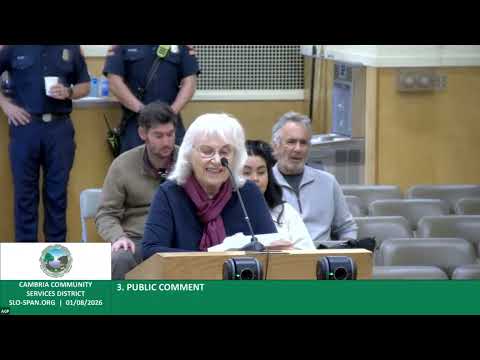
Public reaction was mixed. Supporters said the development is permitted and needed; critics questioned whether the proposed construction cost—raised during the meeting—was economical and urged alternatives such as motel conversions or prefab units. In response to concerns about total cost, Gallardo Wilkie corrected an earlier figure, saying the current total project cost estimate is $28,000,000 and that the organization is pursuing tax credits and other funding sources such as a $1,000,000 federal home‑loan program.
Motion and vote: Vice President Dean moved to grant a 36‑month extension; President Farmer seconded. The roll call was unanimous (Directors Dean, Gray, Scott, Thomas and President Farmer voting Aye). The motion authorizes staff to keep the developer’s intent‑to‑serve in effect while financing is secured and until the developer seeks a connection permit and pays required capacity fees.
What’s next: Staff said they would issue a connection permit and collect capacity fees once the developer obtains construction permits and is ready to break ground; the developer expects to reapply for tax credits in early 2026 and hopes to begin construction by late 2026 if financing is secured.