Get Full Government Meeting Transcripts, Videos, & Alerts Forever!
Get email alerts on the Finance Tax Policy topic
No spam. Unsubscribe anytime.
Yankton County debates half-cent sales tax option and dedicated road-and-bridge levy to shore up transportation funding
Summary
Commissioners discussed Senate Bill 96 (a county-levied half-cent sales tax intended to offset county owner-occupied property taxes) and a proposed dedicated road-and-bridge property levy; commissioners sought public input and asked staff for valuation estimates and a public hearing before a possible July decision.
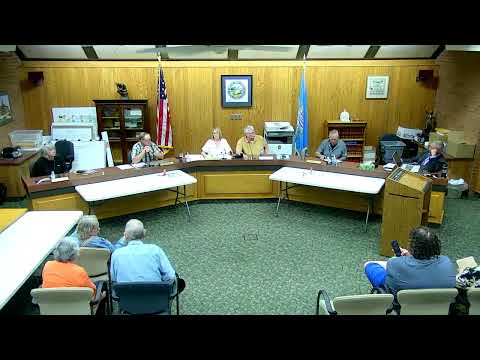
Commissioners devoted a lengthy portion of the June 16 meeting to two tax options aimed at addressing road and bridge funding and county budget pressures.
Commissioner (speaker 4) outlined Senate Bill 96, which would allow the county to levy up to a half‑cent county sales tax and apply the revenue to reduce the county portion of owner‑occupied property tax. He said a half‑cent in Yankton County could generate roughly $4,152,950 and could offset the county share for owner‑occupied properties, but would not affect school or other non‑county levies.
Speakers in the public comment period raised objections and questions: renters and teachers worried that sales tax is regressive and would increase grocery and retail costs without lowering school levies; business and property owners asked how much nonresident (tourist) spending would contribute (commissioner supplied an earlier estimate of roughly $2 million from visitors). Several residents argued they would prefer keeping property-tax funding for schools and that the sales-tax swap might be a wash for many households.
Separately, commissioners discussed a dedicated road-and-bridge property levy that would create a restricted fund for road and bridge spending only. Commissioners emphasized that money in a special levy cannot be used for sheriff, courts, or general fund expenses; the levy tiers vary by total valuation with examples discussed (per‑$1,000 valuation rates and thresholds were described). Staff was asked to prepare valuation and revenue estimates and to advertise a public hearing; commissioners discussed scheduling a special meeting late June or a first-July meeting so decisions (or resolutions) could meet the July 15 timeline that was referenced.
Next steps: staff will prepare revenue/valuation estimates for the proposed levy, schedule public hearings, and potentially run a special meeting before the July 15 resolution deadline.