Get Full Government Meeting Transcripts, Videos, & Alerts Forever!
Get email alerts on the Opioid Fund Vehicle Purchase topic
No spam. Unsubscribe anytime.
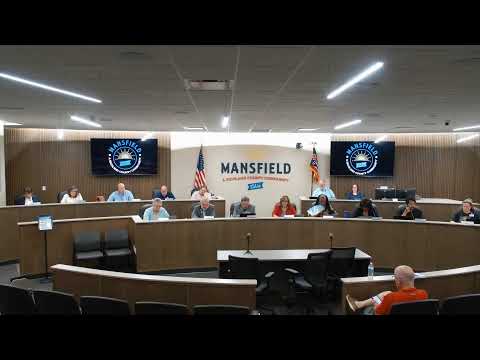
Mansfield City Council approves opioid-settlement funds to help buy five police SUVs after debate over prevention
Summary
The Mansfield City Council voted unanimously to appropriate $212,222.20 from the city's Ohio opioid settlement fund toward five Dodge Durango vehicles, prompting discussion about whether settlement funds should prioritize enforcement or community prevention programs.
The Mansfield City Council voted 8–0 to appropriate $212,222.20 from the city's Ohio opioid settlement fund for the purchase of five Dodge Durango vehicles to be used by the Mansfield Police Department.
Councilwoman Meyer introduced bill 26-115 and told council the appropriation would supplement the police department's capital account to bring the patrol fleet back into rotation; she said the total cost for the five vehicles is about $424,000 and that half of the cost would come from the police capital budget with the opioid fund supplementing the remainder. "The total cost for these 5 cruisers is about 424,000," a department official said during discussion.
The bill designates $212,222.20 from the unappropriated Ohio opioid fund (Fund 208) to police department capital outlay for the vehicles. Meyer also said the funds will be used to address opioid-related crimes and responses, and that the city had consulted counsel about allowable uses.
Council discussion centered on how settlement and grant funds are targeted. Councilwoman Davis Weese pressed staff about whether the use of the settlement money prioritized overtime and enforcement rather than prevention, education or youth programs. Davis Weese said constituents ask why money goes to law enforcement when prevention and education are also needed; she asked whether the city was also seeking grants specifically for youth prevention and earlier programs such as DARE.
The police chief (speaking in council) described a targeted, proactive approach for overtime funding, saying those extra hours allow officers to conduct focused investigations and preventive work: "These funds... allow these members, outside of their typical work day, to do these investigations, identify... problems in our community so that they can be addressed." He characterized the overtime as part of proactive policing and deterrence, not simply reactive arrests.
City staff and counsel explained the opioid settlement structure and regional grant programs. A city attorney/official said the settlement provides recurring payments (through roughly 2030–2032 under current settlement terms) and that a current balance of roughly $380,000 remained in the city's opioid fund; staff said some regional grant pools are managed at the county level for social-service programming while other settlement receipts can be used for allowable law-enforcement or capital needs with proper documentation.
Meyer moved to dispense with further readings and advance the bill for final vote; under suspension of the rules the clerk read the bill and council voted to place it on the floor for final passage. On final consideration the bill passed 8–0.
Next steps: The ordinance implementing the contract (bill 26-116) to purchase the five vehicles was also approved later in the meeting under separate legislation.