Get Full Government Meeting Transcripts, Videos, & Alerts Forever!
Get email alerts on the Disaster Response topic
No spam. Unsubscribe anytime.
American Red Cross details sheltering, volunteer response for South Bay disasters
Summary
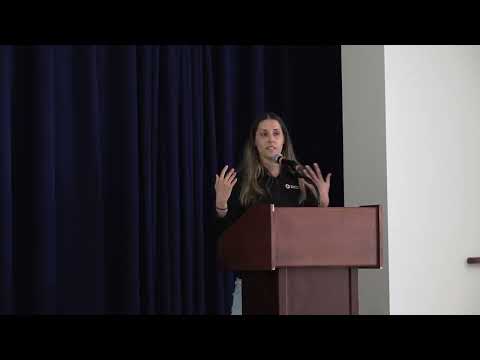
Grama McCormick of the American Red Cross described the organization’s sheltering and recovery services for South Bay disasters, noting the Red Cross is largely volunteer-run, coordinates with FEMA and operates a range of shelter types from short-term evacuation centers to mega shelters.
Grama McCormick, the American Red Cross community disaster program manager for the South Bay, told attendees that the Red Cross provides shelter, meals, emergency supplies and family-reunification services when disasters force evacuations.
"While the fire department's fighting the fires, the sheriff's is making sure that the streets are safe and doing the evacuations, the Red Cross is really there to provide a place for you as residents to go," McCormick said. She said shelters can offer overnight stays, meals and information and often host partner agencies that provide recovery guidance.
McCormick emphasized the organization’s reliance on volunteers and local partnerships. "We're actually 90% volunteer based," she said, adding that a single staff member in the area coordinates roughly 300 volunteers. She also said Red Cross volunteers respond to about 170 disasters a day nationwide, which the organization cites as evidence of frequent operational experience.
Explaining legal and operational footing, McCormick said the Red Cross holds a federal charter and works with FEMA to provide mass care, housing and human-services support during larger incidents. She cited recent deployments in the Los Angeles wildfires and said the organization opened eight shelters in a Garden Grove response that together served about 3,000 people.
McCormick described the spectrum of shelter options: short-term local evacuation centers (often open for about 24 hours), respite centers for first responders, congregate shelters and "mega shelters" such as stadiums or convention centers used in catastrophic events. Typical venues include community centers, churches and high schools.
Inside shelters, McCormick said volunteers provide mental-health support and spiritual care and that health-services teams — including doctors, EMTs and nurses — can offer basic medical care and assistance with medication. For recovery, evacuees are usually assigned volunteer caseworkers to help replace lost documents and find resources; in large disasters, she said emergency financial assistance can be available depending on donations.
McCormick stressed inclusivity: "Everyone is welcome. We don't care about what your background is, your legal status, your ethnicity." She said the Red Cross requests basic registration information such as name and phone number to help with services and family reunification.
She closed by offering her email for follow-ups from residents seeking information about sheltering or recovery services.