Get Full Government Meeting Transcripts, Videos, & Alerts Forever!
Get email alerts on the Student Health topic
No spam. Unsubscribe anytime.
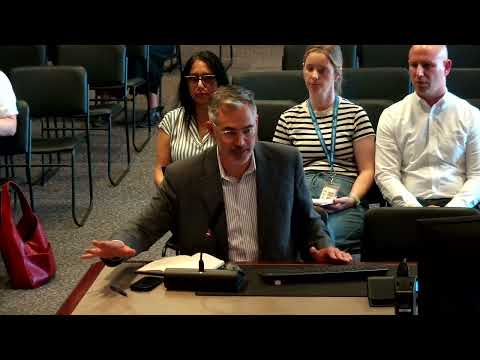
Renton officials present Student Health Hub progress; city staff propose two‑year renewal
Summary
City and school district partners reported the Student Health Hub now serves all 26 Renton schools, has processed more than 400 referrals with near‑universal matches, and presenters said they will bring a two‑year renewal agreement to council for consideration.
City staff and partner organizations updated the Renton Committee of the Whole on the Student Health Hub, a referral and matching system connecting school counselors to behavioral‑health and housing providers.
Adam Davis of HealthPort described the hub as a local application of the Washington State health data exchange and said the state network supports secure data exchange across tens of thousands of providers. Devon Doherty of the Renton School District said the hub has been in development for 2–3 years and now covers all 26 Renton schools; she said hub staff and district counselors have matched more than 400 referrals, with most students successfully connected to a provider.
Presenters emphasized the hub’s privacy and compliance features: the hub’s software is designed to meet HIPAA and FERPA rules, uses standardized referral and consent forms, verifies insurance and supports provider matching by language and other preferences. Lane Jacobs, the hub manager, described a single intake form and a dashboard that lets providers and district staff see referral status; he gave a case example of a Spanish‑speaking sixth grader who was matched and enrolled in services within about three weeks.
Neighborhood House’s Amy Harroul described the organization’s housing navigation and rapid‑rehousing work and gave an example of families moved from overcrowded conditions to separate apartments with case management. Celia McTigue (HCPOHP) said the hub gives the district better data on referral trends and connection success rates, and noted the city has contracted an independent evaluation with Oregon Health & Science University.
Presenters told council the city will be asked to renew the hub agreement for two more years; they discussed sustainability options including private sector partnerships and potential Medicaid engagement. Staff clarified funding sources: the hub receives 15‑90 funds and some general funds for ReadyK programs; any budget or agreement changes would follow the council’s legislative process.
Council members pressed for details about measurement and service gaps. District staff said middle schools produce the most referrals (SBIRT screening shows a peak in middle grades), and that a combination of SBIRT data, hub referrals and counselor reports drove a request to add more substance‑use providers. On services for gender‑diverse and transgender students, hub staff said provider profiles include demographic and specialty information and they match students to providers with relevant experience.
Presenters invited continued council oversight and said they will return with a formal agreement for the council’s consideration; no formal vote was taken at the meeting.