Get Full Government Meeting Transcripts, Videos, & Alerts Forever!
Get email alerts on the Property Tax Moratorium topic
No spam. Unsubscribe anytime.
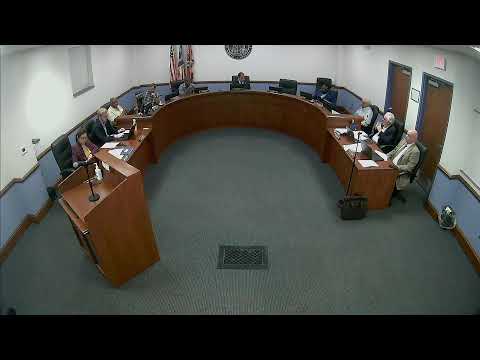
After heated debate, Anson County commissioners vote 4–2 to ask to opt out of state reevaluation moratorium
Summary
Following wide concern from mayors and town managers about lack of communication, the board voted 4–2 to request that Anson County be removed from the state moratorium that would pause revaluation-driven tax changes; commissioners split over equity across districts and budget implications.
Anson County’s board of commissioners voted 4–2 on June 16 to request that the county be removed from a state moratorium that would delay revaluation-based tax changes.
Commissioner Ellerbe moved to opt out of the moratorium (referred to in the meeting as Senate Bill-related actions); a second was recorded and the motion carried by a 4–2 vote, according to the meeting record. Commissioners debated the fiscal trade-offs and fairness across districts at length before the vote.
Several municipal leaders who addressed the board during public comment said they had not been notified the county was listed under the moratorium and warned of budget disruption. Angela Carraway, mayor of the town of Ansonville, said her town was "this close" to finishing its budget and that the moratorium and its timing would force a rework without input from municipalities.
Opponents on the board said the moratorium was intended as a temporary reprieve from sticker shock after a revaluation and argued opting out could saddle some residents—particularly in the western part of the county—with steep rate increases. One commissioner said many residents had already expressed "sticker shock" at the new values and preferred giving the state’s moratorium a year, while supporters emphasized local control and the ability for towns to set tax rates to match local needs.
The board recorded the motion and the roll-call reaction in the minutes; the chair noted the vote and said staff should record the decision in the official minutes and communicate it to state representatives as required. The minutes do not show that the state had already accepted or rejected the opt-out request—staff and commissioners discussed follow-up with the county’s legislators and county attorney review.
The board also discussed revenue-neutral rate options and staff-provided scenarios for fund-balance use, and scheduled a follow-up session to finalize budget decisions on June 23. Commissioners asked staff to coordinate outreach to municipal leaders and confirm the procedural steps necessary to communicate the board’s position to the General Assembly and local legislators.
Next steps in the meeting record: staff will notify the county’s legislative contacts of the board’s request and circulate the formal minutes and any required correspondence; municipal leaders asked for proactive outreach to improve coordination on future state-driven actions.