Get Full Government Meeting Transcripts, Videos, & Alerts Forever!
Get email alerts on the Signage topic
No spam. Unsubscribe anytime.
Zoning board denies large canopy sign and animated‑price display at Route 1 bypass truck stop
Summary
After residents described sleep and light‑pollution concerns, the Zoning Board denied a request for a 95‑square‑foot canopy sign and a limited animated price display for a truck‑oriented fueling site on US‑1; board members said the hardship standard was unmet and neighboring homes are too close.
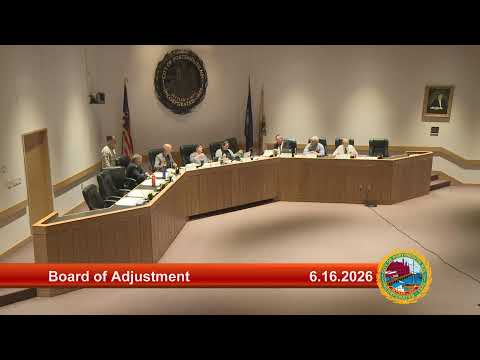
The Portsmouth Zoning Board of Adjustment voted on June 16 to deny requests for a 95‑square‑foot canopy sign and a limited animated price display at 1010 US Route 1 Bypass, a truck‑oriented fueling property.
Grant Michael (S27), representing the applicant and sign contractor, said the company sought a canopy placement to display cash and credit prices and argued freestanding signs would be less visible to passing motorists or would be at risk of being struck by trucks. Michael described the proposed display as a simple toggle of cash and credit prices — not graphic animation — and said much of the canopy area would be non‑illuminated.
Multiple nearby residents opposed the request at the hearing. Kira Kimmick (S28) said the canopy faces several bedrooms and that nighttime illumination would harm children’s sleep: "This sign will be on every night aimed at directly where our kids sleep," she said. Margaret O'Donnell (S29) and others stressed that the city ordinance caps canopy signs at 20 square feet and prohibits animated canopy signs in the specified sign district; they said the request would create a precedent allowing larger illuminated displays near homes.
Board members discussed alternatives, including a fully illuminated freestanding sign that would be permissible in the district, and whether the applicant had demonstrated property‑specific hardships that would allow an exception. Several members said they were not convinced the property’s configuration justified overriding a categorical prohibition. After motions and countermotions the board recorded a denial, citing proximity to residences and failure to meet the hardship criteria.