Get Full Government Meeting Transcripts, Videos, & Alerts Forever!
Get email alerts on the Historic Preservation topic
No spam. Unsubscribe anytime.
Portsmouth Historical Society wins variance to convert 43 Austin Street to office use
Summary
The Zoning Board voted 6‑0 to allow the Portsmouth Historical Society to change 43 Austin Street from a single‑family residence to a professional office use so the nonprofit can attract a development partner to fund more than $800,000 in repairs, including roughly $300,000 in life‑safety work.
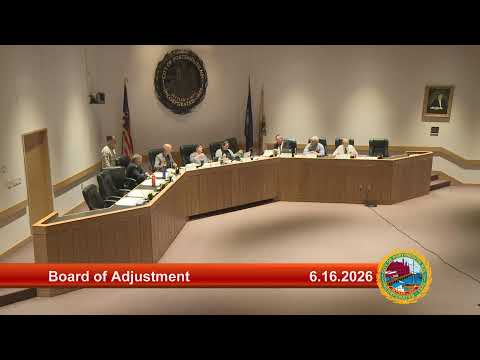
The Portsmouth Zoning Board of Adjustment on June 16 approved a variance allowing the Portsmouth Historical Society to convert 43 Austin Street from a single‑family residence to professional office use, a decision the society said is necessary to attract a development partner to restore the historic property.
Emma Stratton, executive director of the Portsmouth Historical Society, told the board the building was bequeathed to the society in 2021 and now needs more than $800,000 in repairs, including about $300,000 in life‑safety work before it can be lawfully occupied. "The only partners willing to invest in a property they can never own need a use that generates a return worth the risk," Stratton said, arguing that professional office use is the only viable path to rehabilitation.
Stratton said the society explored other options, including sale restrictions tied to the trust and conversations with developers, and that the building’s size, deed restrictions and required life‑safety work together make residential reuse financially infeasible. She told the board that on‑site parking can accommodate the roughly 14 spaces the proposed office would require.
Trustee Jackie Grama and several neighbors spoke in support, emphasizing the bequest’s intent and the society’s preservation commitments. Grama said the trust’s trustee and others are comfortable with the society managing the property to maintain its historic character.
Board members questioned whether a development partner had signed an agreement; Stratton said several conversations have taken place and that a partner was likely but not yet under contract. After discussion of the variance criteria — public interest, spirit of the ordinance, substantial justice and hardship — the board concluded the society’s combination of inherited deed restrictions, the building’s size and the required life‑safety investment constituted special conditions supporting relief.
The board approved the variance 6‑0 with one member recused. The society must still work with the city on any necessary permits and with the Historic District Commission on final materials and exterior details.