Get Full Government Meeting Transcripts, Videos, & Alerts Forever!
Get email alerts on the Court Programs topic
No spam. Unsubscribe anytime.
Judge praises Hamilton’s drug court as graduates cite improved outcomes; budget and standby pay in focus
Summary
A municipal judge described the drug court pilot’s graduation numbers and community benefits and told council the program allows dismissal of charges after successful treatment; court staff also flagged increased standby pay and rising interpreter costs that affect the court budget.
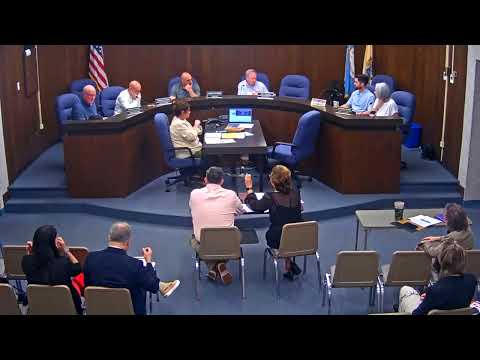
Hamilton — A municipal judge told the council on April 4 that the township’s drug court pilot has moved into its third year and has graduated about 95 participants, attributing reduced recidivism and improved outcomes to the treatment program and court supervision.
“Once they complete that treatment, they get those charges dismissed,” the judge said, emphasizing the program’s rehabilitative impact and asking the council to help publicize graduates’ success with state officials.
Court staff described operational pressures that affect the court budget: a contractual rise in standby pay (the on‑call hours for administrators increased from 12 to 16 hours), an uptick in certified language‑interpreter costs—particularly for Haitian Creole and Spanish—and recent equipment spending for microphones and security cameras. The court noted the interpreter market is constrained because interpreters must be certified by the judiciary and the municipality cannot use uncertified vendors.
The judge and court administrators also mentioned possible state legislation that would remove the fee charged to defendants who receive public defenders; that provision, if enacted, could reduce local annual revenue the court now deposits in a trust (court staff estimated about $40,000–$43,000 per year). The legislation was described as pending and without a cited bill number at the meeting.
Council members asked for follow‑up information on personnel and budget impacts, and for examples documenting the drug court’s results that the municipality could share with state officials and funders. The council did not vote on any court items at the session.
Next steps: court staff will provide a brief on interpreter contracts and the fiscal effect of the proposed change to public‑defender fees, plus documentation on drug‑court outcomes for possible publicity and state engagement.