Get Full Government Meeting Transcripts, Videos, & Alerts Forever!
Get email alerts on the Memorialization And Education topic
No spam. Unsubscribe anytime.
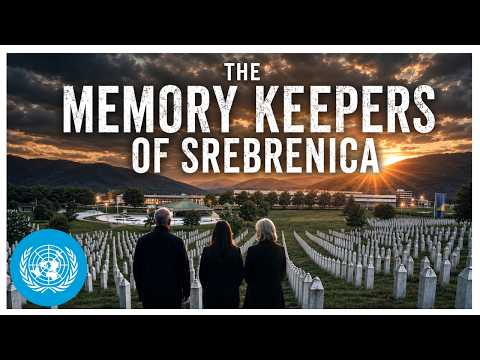
Srebrenica survivor Almasa Salkhovic recounts loss and urges memorialization and education
Summary
Almasa Salkhovic, who says she survived the 1995 Srebrenica genocide at age 8, described the killing of family members and her work at the Shorenstein Memorial to preserve victims’ stories. Speakers at the memorial emphasized justice, exhibits of personal belongings, and teaching younger generations to spot early signs of atrocity.
Almasa Salkhovic, a survivor who says she was 8 when she lived through the 1995 Srebrenica genocide, recounted losing relatives and described her work at the Shorenstein Memorial to preserve victims’ stories and support healing. "I was 8 years old when I survived the genocide in Srebrenica," she said, adding that from her family "my brother was killed in genocide." She said relatives on both sides of her family were killed, and she cited what she described as "making total 8,372 victims of genocide in Srebrenica who were killed in July 1995."
Salkhovic said she began working at the Shorenstein Memorial five years ago because she wanted to "give a piece of me to memorialization, to remember," and that speaking about losses helps survivors and families heal. "Every time I talk story about my brother, about my family, I kind of see myself talking the stories of all of us," she said.
Other speakers at the memorial framed preserving facts and education as central to preventing future atrocities. A presenter said the Memorial Centre focuses on education so "people know that something like this happened in the middle of Europe at the end of the 20th century," and argued that awareness of pre‑genocide signs can help prevent similar crimes elsewhere.
Speakers described the wartime siege that preceded the July 1995 killings. One presenter said the town was under siege from 1992 until July 1995 and described checkpoints where men and boys were separated; many of those separated were later killed. Another presenter described returning to the area in 2003 to complete victim identification and burial in the memorial centre so families could visit graves and conclude the identification process.
The memorial’s exhibits were presented as a tool for connection and truth-telling. "Here, you can see, we have personal belongings of the victims of genocide in Srebrenica," a presenter said, pointing to items recovered with remains. The presenter identified a boot in the collection as belonging to the speaker’s 16‑year‑old cousin, whom they said was killed in the genocide.
Several speakers warned about denial of the facts. Salkhovic said she is "scared" that some younger people encounter a false narrative that the killings did not occur or that those killed were only soldiers. A presenter called genocide denial "the last phase of the genocide" and said the memorial provides tools to teach young people how to recognize early warning signs and how to respond.
Speakers linked justice with reconciliation. "Justice is a precondition for reconciliation," a presenter said, arguing that establishing facts and distinguishing perpetrators from those who did nothing wrong are necessary for meaningful reconciliation. They also said making records accessible to new generations shows how international justice can produce results useful to communities that experienced atrocities.
The memorial event focused on survivor testimony, exhibits and the memorial’s educational mission; no formal actions or votes were recorded during the session. The speakers said their ongoing aims are identification and burial of victims, preservation of personal and documentary records, education of younger generations and support for justice processes to prevent denial and future violence.