Get Full Government Meeting Transcripts, Videos, & Alerts Forever!
Get email alerts on the Pool Design topic
No spam. Unsubscribe anytime.
Bay Oaks advisory board debates pool depth as officials weigh lifeguard rules and rental revenue
Summary
Board members urged keeping or deepening the municipal pool to preserve lap swimming, lessons and lucrative out-of-season rentals; staff said engineers will test sub-surface infrastructure and counsel will be asked about lifeguard-certification implications.
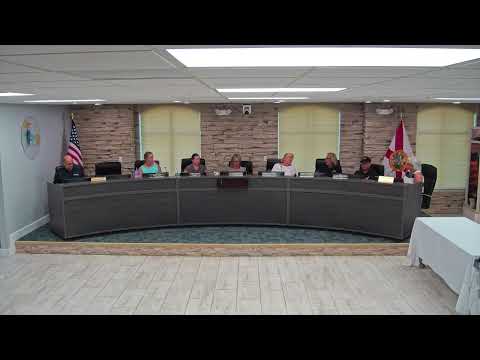
Chair opened discussion on the Bay Oaks pool redesign and asked members to prioritize input for the design team and council presentation.
John Dusler, a long-time lap swimmer and member of the advisory board, argued the pool’s primary function is to teach children to swim and provide lap-swim access. “A pool’s gotta be a place to provide kids to learn how to swim,” Dusler said, urging the board not to make the pool shallower. He and other members said a deeper pool would also preserve the ability to rent the facility to out-of-season collegiate and club teams, generating significant revenue.
Members sketched revenue scenarios for winter rentals, estimating per-athlete fees in the low teens and suggesting morning two-hour blocks could bring meaningful income during slow tourism months. “During December, January, you’re probably talking about a hundred thousand dollars in rent,” one member said when describing multi-day team rentals.
Staff and members flagged trade-offs and uncertainties. Engineers must determine whether the pool’s underlying piping and concrete are salvageable; several members recommended pressure testing and camera inspection to avoid installing new finishes over failing infrastructure. “If that concrete has to come up, then we have an opportunity,” one member said, urging the engineers to report whether making the pool deeper would require extensive plumbing relocation.
Several board members pressed on lifeguard training requirements. Board members and staff noted that Red Cross deep-water lifeguard certifications and some rescue skills become necessary when pools exceed about 5 feet, which can require taking staff off-island to a deeper pool for training or hiring certified instructors. Neil Mathis and other staff explained this certification complexity and noted certification renewals recur every two years, complicating scheduling and costs.
Jeff Augie, staff liaison, said he will ask engineers to provide cost estimates for keeping the current depth and for deeper and shallower options and will follow up with counsel and insurance about liability and training needs. The board directed staff to assemble a business-plan-style estimate of rental revenue, staffing costs for certifications and any grant conditions tied to CDBG-DR funding that might limit scope changes.
The board agreed to await a 30% design deliverable from the architecture/engineering team (expected mid-July) and an engineer’s report on sub-surface conditions before taking a formal position. The design team is scheduled to present to town council in early August, and staff will circulate engineering findings to the advisory board beforehand.
The advisory board did not take a formal vote changing pool specifications at this meeting; members asked staff for more data and asked the design team to present options that show costs and operational trade-offs. The board will revisit depth, ADA access, lighting and event-space amenities after the engineers’ findings and the business-plan input are available.