Get Full Government Meeting Transcripts, Videos, & Alerts Forever!
Get email alerts on the Healthcare Costs topic
No spam. Unsubscribe anytime.
Board urges state action as health‑care premiums squeeze district budgets
Summary
The Scotch Plains‑Fanwood Board of Education unanimously adopted a resolution calling on the governor and legislature to provide short‑term relief and long‑term reform to the state health benefits program after citing recent double‑digit premium increases and a Treasury analysis projecting continued pressure.
The Scotch Plains‑Fanwood Board of Education on Tuesday adopted a resolution asking New Jersey leaders to provide immediate relief and pursue lasting reforms for the state school employee health benefits program (SEHBP).
The resolution, read aloud during the meeting, cited a midyear Treasury Department SEHBP analysis and noted that districts have endured a 31.9% premium increase that took effect in January 2026 and nearly 74% growth in premiums over five years. "Year over year, double‑digit increases are placing tremendous strain on district budgets and local taxpayers alike," the resolution states.
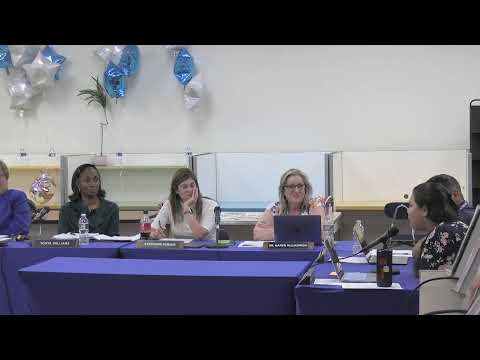
Board members discussed statewide fiscal pressures at length during liaison reports and committee updates before moving the resolution. The motion was made, seconded, and carried by voice vote.
Board members framed the resolution as both a request for short‑term relief and a call for stakeholder engagement to design long‑term changes to the way health benefits are delivered. The text asks the governor and legislature to consider reforms intended to generate "meaningful long term savings" and requests copies be forwarded to state leaders and the New Jersey School Boards Association.
The board did not specify implementation steps the district would take locally; it approved the resolution as a formal expression of concern to state officials. No recorded roll‑call tally was given in the minutes for this single resolution, which passed by voice vote.
The board’s action comes amid other local fiscal planning reported in the meeting, including potential capital projects, equipment purchases, and discussion about referendum timing.