Get Full Government Meeting Transcripts, Videos, & Alerts Forever!
Get email alerts on the Dme Licensure And Education topic
No spam. Unsubscribe anytime.
Respiratory care committee asks medical board to reevaluate DME setup and education wording
Summary
The Respiratory Care Examining Committee voted to ask the medical board to reevaluate wording that appears to allow anyone to set up and educate patients on durable medical equipment; members said licensed respiratory therapists should provide education for ventilators, CPAPs and BiPAPs. The motion passed by voice vote.
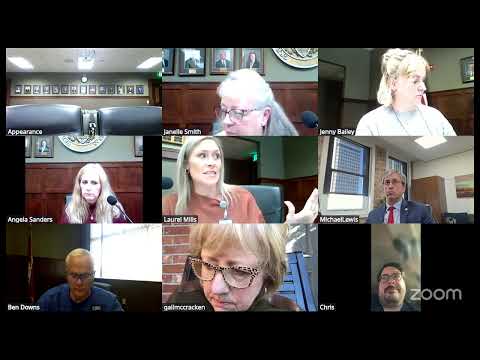
The Respiratory Care Examining Committee voted to ask the medical board to reevaluate wording that committee members say has led DME firms to assume unlicensed staff may both set up and educate patients on durable medical equipment.
Dr. McCracken, a committee member, moved that the group "request the board to relook at this wording so that the DME companies know that the proper care of the patient would be to have a respiratory therapist give the education of the equipment that's being delivered, understanding that, you know, oxygen may be filled tanks could be filled by people that aren't respiratory therapist, obviously." The motion was seconded and adopted by voice vote.
The motion followed members' accounts that, in practice, respiratory therapists typically perform clinical assessments and patient education for therapeutic devices such as home ventilators, CPAPs and BiPAPs while nonlicensed drivers often deliver oxygen tanks. One committee member said it would be inappropriate to have a nonclinician set up a CPAP and tell a patient a therapist would follow up later, because patients frequently ask therapeutic questions at the bedside.
Michael Lewis of the attorney general's office told the committee he shared the policy concern but cautioned there may be limits on what the board could require by statute. "I'm not sure that there's a statutory basis for the requirement," he said, noting the statutory definition of respiratory care practice does not expressly include "setting up of equipment" and that the legislature's omission could indicate intent to leave setup outside the practice definition.
Committee members responded that, even if statute limits mandatory requirements, the committee could send a strongly worded recommendation to the board emphasizing patient safety and the professional standard that licensed respiratory therapists provide education for more invasive therapeutic devices.
The chair said the motion would be forwarded to the medical board for reevaluation of the April 2017 wording that committee members said led some DME companies to stop hiring licensed respiratory therapists for certain roles. The transcript records the motion as approved by voice; no roll-call tally was recorded in the meeting transcript.
Next steps: the committee will transmit the request to the medical board asking it to reexamine the relevant wording and to consider language that clarifies when licensed respiratory care practitioners should provide patient education for therapeutic DME.