Get Full Government Meeting Transcripts, Videos, & Alerts Forever!
Get email alerts on the Convenience Fees topic
No spam. Unsubscribe anytime.
Board recommends full pass‑through convenience fee after staff presentation; motion passes
Summary
After reviewing three options from the city’s payment processor, the board voted to recommend option A (full pass‑through percentage fee) as the preferred approach for online convenience fees; staff noted alternatives and the city will next consider the recommendation.
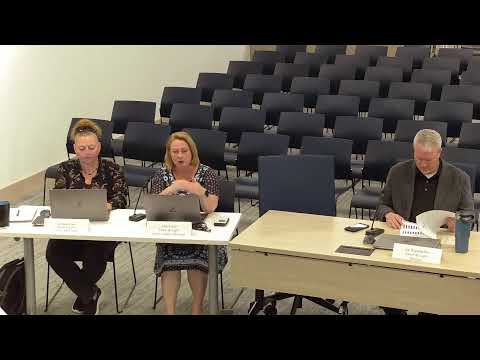
The board voted to recommend a full pass‑through, percentage‑based convenience fee for online utility payments after a staff presentation from Denise Clark, manager for utility customer service.
Clark told the board the city’s payment processor offered three options to address rising processing costs: (A) full pass‑through at approximately 2.75% of the bill (removing the current $750 cap and allowing processing up to $125,000), (B) a smaller residential flat fee ($4.50) with commercial customers handled by a percentage (2.95%), and (C) the city absorb all fees (2.95% to the city). Clark described current practice as a flat $3.50 convenience charge and showed modeled impacts: an average residential bill of $226 would see the fee rise from $3.50 to about $6.22 under option A; a $5,000 commercial payment moves from multiple small‑transaction fees to a single percentage that increases the fee substantially.
During public comment several residents recommended option B to limit impacts on fixed‑income households. Staff and a utility representative noted option A is a straightforward business model for an online pass‑through and argued customers have no‑cost alternatives such as in‑person payment or mailed checks.
A member moved to recommend option A and a second was made; the clerk called roll and the board approved the recommendation. The motion records the recommendation only — final policy or fee adoption will be determined by the city council and affected contracts with the payment processor.
Next steps: staff will forward the board’s recommendation and provide audit/financial committee members further detail on lockbox and bank processing fees as requested.