Get Full Government Meeting Transcripts, Videos, & Alerts Forever!
Get email alerts on the Housing Rhid topic
No spam. Unsubscribe anytime.
Coffee County approves reinvestment housing incentive district, adopts development agreement
Summary
After a public hearing, the Coffee County Commission voted 5‑0 to create a Reinvestment Housing Incentive District and adopt Resolution No. 2026‑978, approving a development agreement that uses incremental property taxes to reimburse developer infrastructure costs over a 25‑year period.
Coffee County commissioners voted unanimously to establish a Reinvestment Housing Incentive District (RHID) and approve a development agreement and plan designed to spur housing development by reimbursing developer‑paid infrastructure from incremental property taxes.
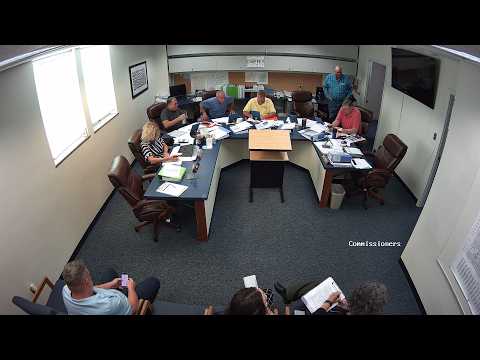
The commission opened a public hearing at 9:05 a.m. to consider the district and heard a presentation from the developer and county staff explaining how the incentive works. County staff clarified that the program does not change the tax rates for existing property owners: "The clock starts upon creation of the district," a staff member said, and ‘‘the difference is the tax generated by the additional properties is segregated and then ... used to reimburse the developer.’’
During the hearing commissioners asked about boundaries, zoning and what county obligations — if any — would be. Staff and the developer said normal planning, zoning and subdivision processes still apply and that reimbursement is limited to the increment generated by new development; the general fund is not on the hook. Commissioners also noted that certain portions of school levies are excluded from the increment.
A member of the public asked when the 25‑year reimbursement period begins. County staff responded that the period begins when the district is created at the hearing. After public comment concluded, the commission closed the hearing and voted to approve Resolution No. 2026‑978, a motion that passed 5‑0.
Commissioners discussed next steps for finalizing the development agreement; staff said documents would be revised to reflect suggested wording and returned for signatures. The county will not disburse funds until incremental taxes have been generated by new development, staff emphasized.
The resolution and development agreement are intended to make early infrastructure costs less burdensome to developers while preserving standard land‑use and permitting requirements for the project. The commission approved the measure and directed staff to prepare finalized documents for signature.