Get Full Government Meeting Transcripts, Videos, & Alerts Forever!
Get email alerts on the Property Tax Referendum topic
No spam. Unsubscribe anytime.
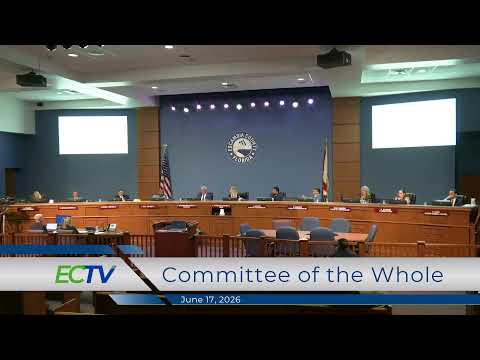
Escambia County staff warn property-tax referendum could cut millions from county services; board weighs options
Summary
County staff told commissioners that a proposed state property-tax referendum could reduce Escambia County’s general‑fund revenue by roughly $40.1 million in year one and about $59.2 million in year two, and presented measures including hiring freezes and temporary reductions in CRA TIF allocations to close gaps. Commissioners asked staff to refine estimates and to continue planning ahead of a July/August budget workshop.
CHRIS DAWSON, a legislative representative, briefed the Escambia County Board of County Commissioners on recent activity in Tallahassee and highlighted the special-session property‑tax proposal that would raise the homestead exemption to $150,000 in the first year and ultimately to $250,000 in later years if approved by voters.
Dawson said the proposal was approved by the legislature as a joint resolution and requires a 60% vote at the ballot to amend the constitution. He also warned that the implementing bill — the general law that would fill in details such as what counts as ‘‘core county services’’ — would be subject to subsequent legislative action and could change how local revenues are used.
Stefan, the county finance official, presented the county’s preliminary impact estimates. He told the board the county faces an estimated $43.2 million total reduction in year one under the $150,000 homestead threshold scenario, which equates to roughly $40.1 million in lost revenue to the county general fund and about $3.1 million to the library system. Stefan said year‑two reductions under the next phase of the proposal would total just under $64 million, with roughly $59.2 million hitting the general fund and about $4.5 million for libraries. Stefan said those numbers were produced in coordination with the property appraiser and remain subject to refinement as further information is released from Tallahassee.
Commissioners pressed staff on details that the special session left unclear. ‘‘Who defines core county services?’’ one commissioner asked; Dawson replied that the joint resolution referenced an enumerated list and that the implementing bill would be the place to codify a fuller definition. On rollback-rate calculations and how those figures would be computed for local budgets, Dawson said those details were not finalized during the special session and would likely be determined later if the measure advances.
To manage potential shortfalls, county staff outlined preliminary options: a hiring freeze or vacancy management, targeted reductions in departmental budgets, building reserves now, and adjustments to community redevelopment area (CRA) tax‑increment financing (TIF) distributions. Stefan presented two example options for CRA TIF: temporarily lowering the county’s current 75% contribution to 50%, which he estimated would free approximately $3.2 million to the general fund, or lowering it to the statutory minimum of 36%, which he estimated would free about $5.2 million. Stefan cautioned that changing CRA funding would have equity implications because CRA resources are typically focused on low‑income neighborhoods.
Several commissioners urged caution about cutting programs that serve the county’s poorest residents. One commissioner said the board should not ‘‘take from the poorest people in our community’’ while another warned that thousands of residents have previously lost properties over unpaid taxes and urged attention to that population when framing any relief measures. Those concerns shaped the board’s push for more granular local analysis before deciding on programmatic cuts.
County administrator Wes and finance staff also discussed current reserves: staff said the county’s reserves have increased in recent years — currently reported at about $40 million — and that the board could consider strategic reserve use while planning longer‑term adjustments. Staff emphasized that this year’s October–to–October budget cycle is manageable and that immediate service interruptions are not expected, but repeated that the larger fiscal consequences would appear in subsequent budget cycles if the referendum passes.
The board did not take formal action on the referendum itself. Instead members directed staff to refine the impact estimates, prepare options for mitigating revenue losses (including the CRA scenarios and vacancy/hiring strategies), and present detailed proposals at a budget workshop and the August committee meeting. The board also discussed scheduling and topic priorities for upcoming CAL meetings, including a planned August discussion of Bay Center TDT allocations and related RFPs.
"I think we need some level of planning and transparency to the community," the chair said, while other members urged restraint in public messaging until the final ballot language and fiscal scores are available.
The committee meeting of the whole concluded with staff committed to continuing analysis and returning with more detailed recommendations at the board’s budget workshop.