Get Full Government Meeting Transcripts, Videos, & Alerts Forever!
Get email alerts on the Social Services topic
No spam. Unsubscribe anytime.
Committee splits on $400,000 cannabis-funded award to Comprehensive Community Solutions
Summary
Council committee debated a $400,000 funding agreement for Comprehensive Community Solutions to expand prevention and intervention programming at the Community Healing Center. Supporters cited improved attendance and reduced disciplinary incidents among youth in the program; critics questioned metrics, overlap with school and county programs and urged county mental-health board funding instead.
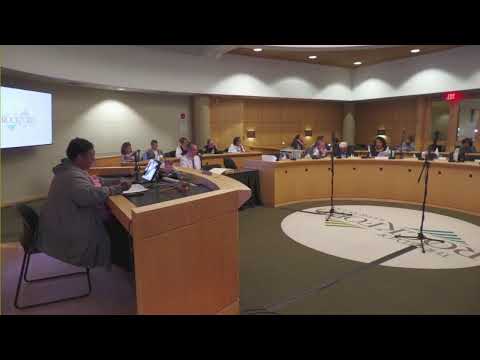
Members of the Planning & Development committee on June 22 took up a proposed $400,000 funding agreement with Comprehensive Community Solutions (CCS) to expand prevention and intervention programming at the Community Healing Center, to be paid from city cannabis funds.
Executive director William Chapman described the Live & Free program, which launched with COVID-era state grant support in 2021 and provided wraparound services (transportation, meals, mentorship) to youth across school and community sites. "The program started in 2021," Chapman said, summarizing the program's origins and noting the organization had secured a $100,000 matching award from the Winnebago County mental-health board.
Council debate was sharply divided. Critics said the packet before the committee focused on a small number of students (the memorandum lists 100 youth for a specific grant award) and questioned whether cannabis funds — rather than county mental-health dollars or existing school budgets — were the appropriate source. Alderman Durkee and others said they saw insufficient aggregate data to justify the city-level allotment and urged seeking additional county or private matching funds.
Mayor McNamara urged support, describing CCS as a long-standing local partner that contributes to declines in violent crime and improves school outcomes: "Every single time, I walk away happier and grateful that you're there," he said of the organization's community presence. Supporters and some committee members said CCS operates a broader portfolio of services beyond schools and partners with police and other agencies.
Staff and CCS representatives said the requested $400,000 would be used for a 12‑month contract (July 1–June 30, 2027) and that the organization would pursue private fundraising and county support in addition to the city award. Members suggested amendments and asked staff to pursue joint funding opportunities with the county mental-health board and other public and private partners.
Next steps: Committee discussion was extensive and included an offer to bring the item to full council with additional clarifications and outcomes reporting. Several members said they would prefer partial funding or a restructured match; CCS said it would pursue grants and philanthropic partners regardless of the committee outcome.
The committee record contains a full roll-call and statements from aldermen and the mayor; the transcript reflects both opposition and support and indicates the item will proceed with further documentation for the council record.