Get Full Government Meeting Transcripts, Videos, & Alerts Forever!
Get email alerts on the Governance Open Meetings topic
No spam. Unsubscribe anytime.
Commissioners debate weed board governance, insurance and fund transfers amid open-meeting concerns
Summary
Commissioners discussed whether the new weed board was formed outside public meetings, whether the board and its employee are covered by county insurance, and how to route special weed-related funds; no formal action was taken, and staff said they will investigate insurance riders and fund transfers.
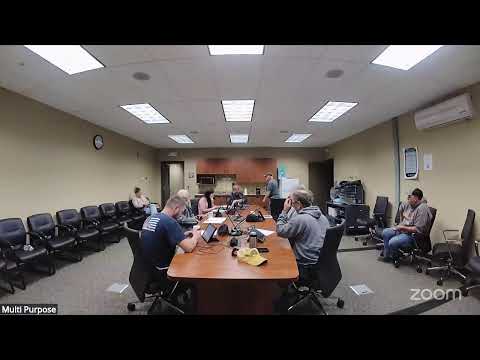
Commissioners spent a substantial portion of the June 22 meeting discussing the formation, insurance coverage and funding mechanics for a reconstituted weed board, and whether prior discussions among commissioners might have violated open-meeting rules.
A commissioner raised concerns after reviewing the June 8 recording, saying two commissioners had discussed forming a new weed board outside a noticed meeting and that a third had been involved in a presentation — a sequence the speaker described as "working under the table". Staff responded by citing open-meeting guidance and an attorney-general opinion that successive phone calls or messages among a quorum could constitute a meeting, and other commissioners disputed the claim that work had occurred improperly.
Why it matters: The weed board impacts local operations (hiring, equipment, chemical purchases) and the question of proper formation affects legal compliance and public trust. Commissioners also said the weed board needs to have its own check-writing authority, insurance rider coverage and a clear funding mechanism.
Discussion details: Commissioners debated whether the weed board employee is county-covered or independent; one commissioner emphasized the board should pay for an insurance rider rather than the county absorbing the cost. Staff noted the weed board is appointed by the commission and likely can be covered under the county’s liability umbrella with an added rider, but that the rider or billing needs to be arranged. Commissioners also discussed transferring chemical funds and moving existing balances into a weed-board account so the board can make payments directly. During the exchange, staff reminded commissioners that money collected for special purposes (described in the meeting as special revenue funds) is intended to be used only for that purpose.
Quotes: "I think as commissioners, we should have things out in the open," Commissioner Lauren said when pressing for clarity about how the weed board was formed. Staff responded during the exchange, "So anytime that there's a meeting...it can be considered a meeting if there are three people that talk in succession," citing attorney-general guidance on successive communications.
Procedure and next steps: No formal motions or votes were taken on the weed board during the meeting. Commissioners directed staff to investigate insurance and account arrangements, to determine whether a rider is necessary, and to report back with options for transferring or allocating special-revenue or road-special funds.
Clarifications: During the discussion commissioners and staff cited several fund balances and internal account labels during verbal remarks; precise account-line details and any required contractual insurance language were not produced in the meeting transcript and will require staff follow-up.