Get Full Government Meeting Transcripts, Videos, & Alerts Forever!
Get email alerts on the Public Transit topic
No spam. Unsubscribe anytime.
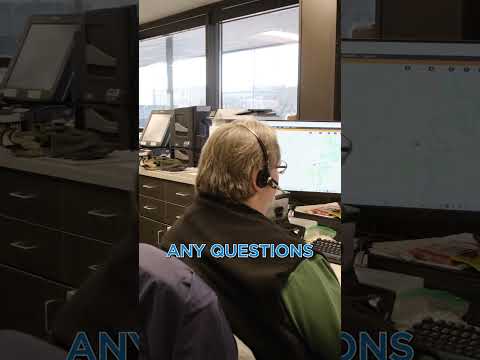
Staff member outlines how transit dispatch manages fixed routes and paratransit
Summary
A staff member explained that transit operations are split between fixed-route and paratransit dispatchers, that fixed routes are predetermined while paratransit schedules are built the day before, and that dispatchers monitor service to keep about 14 daily paratransit runs on time.
A staff member described how city transit dispatch separates fixed-route service from paratransit, saying the operation has dedicated dispatchers for each function and that dispatchers monitor delays, weather impacts and mechanical issues.
The staff member, whose agency was not specified in the transcript, said, “Again, we have it kinda broken into 2 separate areas, fixed route and paratransit.” They explained that fixed routes are predetermined and that drivers receive route information, while dispatch staff track vehicle locations and assist drivers when routes run behind because of weather or heavy passenger loads. “So it's our dispatch's job to kinda keep an eye on that, to assist drivers with any questions that they have, to deal with any sort of events on the road, if there's any mechanical breakdowns,” the staff member said.
On paratransit, the staff member said the service is scheduled differently: routes are not predetermined and staff build paratransit schedules the day before, so pickup and drop-off points change daily. “So, every day looks different for paratransit drivers for their pickup and drop off locations,” the staff member said. They added that the system runs about 14 distinct paratransit runs in a typical day: “We have, you know, 14 different runs out in a day.”
The transcript records operational description and monitoring practices but includes no formal motions, votes or next procedural steps. The staff member emphasized continuous dispatcher oversight to keep riders moving and to respond to incidents, and the record does not identify follow-up items or a named agency representative.
The discussion covered procedural operations rather than policy changes or specific funding decisions; no legislative or regulatory authorities were cited in the transcript.