Get Full Government Meeting Transcripts, Videos, & Alerts Forever!
Get email alerts on the Community Choice Aggregation topic
No spam. Unsubscribe anytime.
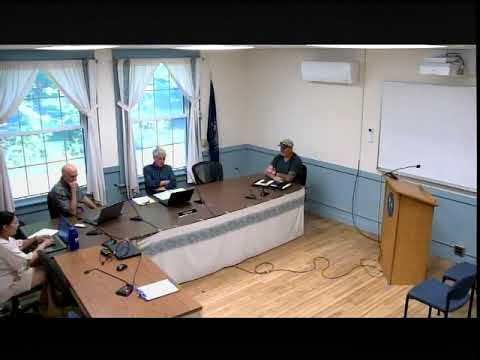
Weare energy commission to hear vendors on community choice aggregation; members press for opt‑in protections
Summary
At its regular meeting, the Weare Energy Commission agreed to invite several energy aggregators for presentations and debated opt‑in versus opt‑out enrollment models, emphasizing voter education and that any agreement would likely require a warrant article and a public vote.
The Weare Energy Commission on Thursday debated whether to pursue community choice aggregation and agreed to invite multiple vendors — including Noah Roy of Neighborhood Energy and Emily Manns of ECM — to present detailed proposals before making a recommendation to voters.
Commission Chair (speaking from the dais) said the group had already heard from Freedom Energy and wants more comparisons before asking voters to approve any agreement. The chair said he will "reach out to Noah Roy and Emily Manns and see if they wanna come in and present," signaling the commission will gather competing offers and pricing.
Commissioners focused much of the discussion on enrollment mechanics and public outreach. One member argued strongly that enrollment should be opt‑in rather than automatic opt‑out, saying, "I don't think that it should be automatic opt in and you have to opt out," and warning that automatic enrollment could alarm residents and complicate households that rely on net metering.
Other members noted that commercial proposals sometimes rely on opt‑out models to be financially viable. Commissioners said the presentations they received from other jurisdictions emphasized aggregate savings but did not break those numbers down to household impacts for a town the size of Weare.
The commission discussed the likely process if it chose to move forward: the board would conduct due diligence, produce a recommendation, and a warrant article would then be submitted for voter approval. Members said public education would be essential, pointing to opportunities such as informational sessions and the deliberative session to explain tradeoffs, the enrollment mechanism, and any customer options for greener supply.
Members also said they would ask prospective vendors for firm proposals after the New Hampshire Public Utilities Commission sets new rates in August, to ensure more accurate per‑customer estimates. The commission did not take any binding action on a vendor or contract at the meeting.
What happens next: the chair will contact the identified vendors to schedule presentations; commissioners said they will weigh cost estimates, opt‑in/opt‑out language, and contract terms before recommending any warrant article to voters.