Get Full Government Meeting Transcripts, Videos, & Alerts Forever!
Get email alerts on the Trails Recreation topic
No spam. Unsubscribe anytime.
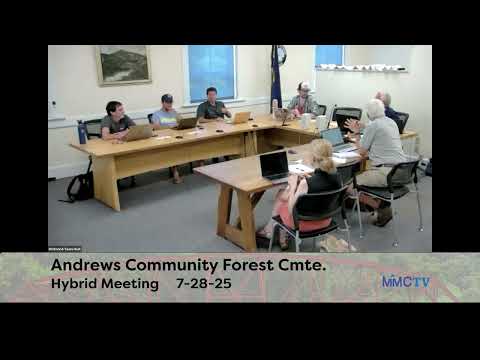
Committee debates trail rules, e-bike and motorized-use language for management plan
Summary
While editing the recreation section of the draft management plan, committee members argued about whether to restrict motorized traffic in line with easement language, how to treat e-bikes, and whether approved uses should be designated at the trail level or in the plan itself.
During detailed review of the recreation and trails section, the committee discussed how to treat motorized traffic, e-bikes and trail designations in the management plan.
Why it matters: The committee's choices will determine which trails are designated for walking, biking or motorized uses and influence future trail design, stewardship obligations and enforcement. Defining uses at the trail level may allow the committee to update permitted activities without changing the full management plan.
Committee members noted the easement language requires compliance and suggested that the plan should "restrict motorized traffic to comply with the easement," while also allowing exceptions for maintenance or for limited crossing connections. Members raised a specific question about e-bikes and whether they are legally considered motorized; one member observed that e-bikes can fall into a legal gray area and recommended clarifying definitions in the plan or an accompanying trail-rules document.
Several members proposed an operational solution: instead of listing every permitted use in the management plan text, create a trail map and an "approved uses" list tied to each trail segment so designations can be updated more nimbly as conditions or town policy change.
The committee also debated trail-placement constraints such as a proposed 300-foot buffer for sensitive wildlife corridors and how to treat minor deviations: members favored a trail-deviation process that allows narrowly tailored exceptions where ecological harm would be minimal.
Ending: The recreation work group will merge comments, consider combining overlapping appendices, and bring revised language or a trail-use framework to the next meeting for committee review.