Get Full Government Meeting Transcripts, Videos, & Alerts Forever!
Get email alerts on the Indigenous Affairs topic
No spam. Unsubscribe anytime.
Spokane council welcomes 10 inaugural members of new Spokane Urban Native Advisory Council
Summary
City staff and council members introduced the Spokane Urban Native Advisory Council (SUNAC) and heard each of the ten appointees describe their backgrounds and the council’s role in amplifying urban Native perspectives in city decision-making.
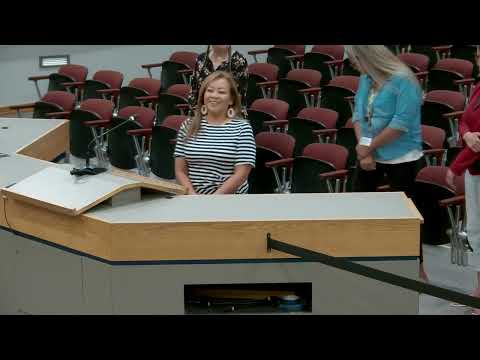
The Spokane City Council on June 22 formally heard introductions from the 10 inaugural appointees to the Spokane Urban Native Advisory Council, a new advisory body designed to bring Native perspectives into city policymaking.
Council president opened the meeting and turned the floor over to a staff member, Scott, who said the group ‘‘led the drafting’’ of the ordinance creating SUNAC and read the names of the initial appointees. Scott said the council’s first official meeting is expected in August, pending council approval.
The appointees described a range of community roles and priorities. ‘‘I am Lorraine Wiley. I am the founder and former executive director of Salish School of Spokane,’’ said Lorraine Wiley, who also identified herself as an elder and linguist and urged a forum that feels ‘‘safe and respectful’’ and recognizes cultural traditions. Tamika Lemire, who introduced herself as director of native education for Spokane Public Schools, said the city hosts ‘‘over 300 tribal nations’’ and stressed the need to center urban Native experiences.
Several appointees spoke about service gaps and community needs. Jenny Slagle, who owns Indigenous Eats and Indigenous Chic, said she will represent entrepreneurship and economic development on the council. Danielle Stenzgar, executive director of the Healing Lodge of the 7 Nations, described gaps in adolescent and residential treatment services. Toni Lodge, CEO of the Native Project (a federally qualified health clinic), outlined the clinic’s multi-service role and its growth as a neighborhood nonprofit.
Council members praised the cohort. The council president applauded the appointees and said the SUNAC will help the city better ‘‘meet the needs of the urban natives’’ and amplify their voices in city decisions. Staff said the council will follow up with meeting dates and logistical details.
The introductions put a human face on the newly formed advisory body and signaled council support; the first formal SUNAC meeting is expected in August, and the council will be positioned to provide ongoing advice on programs, cultural preservation, and service delivery affecting Native residents.