Get Full Government Meeting Transcripts, Videos, & Alerts Forever!
Get email alerts on the Historic Preservation topic
No spam. Unsubscribe anytime.
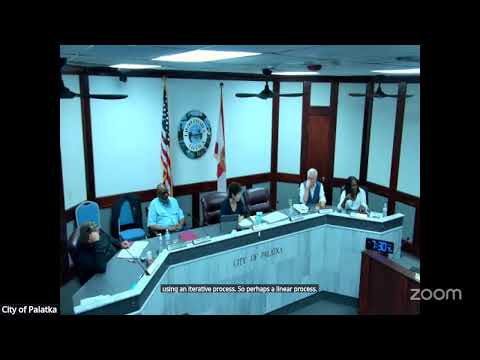
Residents and preservationists oppose permanent railings; CRA tables Bronson Mulholland House decision
Summary
Tension over removable handrails at the Bronson Mulholland House came to a head June 22 as staff promoted removable, engineered railings to meet Florida building‑code elevation thresholds while residents and preservation advocates urged regrading and historic‑board review. The CRA tabled the matter pending clarification of whether the property lies inside the CRA district and other COA/jurisdictional questions.
Staff told the board that portions of the Bronson Mulholland House porch now exceed height thresholds in the Florida building code that typically require guard protection on open sides, and presented a removable handrail system designed to preserve the building’s historic appearance when rails are not needed. Staff said the rails could be engineered to match existing upstairs railings; the contractor had already fabricated wooden rail sections, and staff said the acting city manager used delegated authority to authorize up to $25,000 in expenditures to address a public‑safety concern.
Preservation advocates, docents and residents strongly opposed permanent railings and urged lower‑cost fixes that would preserve the house’s historic character. Speakers including Allegra Kitchens and others said the porch height issue could be corrected by restoring fill/grade (limestone or sand), noting measurements showing many porch points under 30 inches if the contractor’s excavations were refilled. Commenters also said the contractor altered upstairs banisters without review by the Historic Preservation Board and that removing or altering historic fabric could jeopardize the site’s value for tourism.
Legal and process questions drove much of the debate. The city attorney and staff said historic designation does not automatically exempt a structure from life‑safety requirements and that, since the site exceeds the code threshold in places, the city has a reasonable duty to address known hazards. The attorney also explained that because the issue has been publicly discussed and the city has notice, liability risk exists until hazards are mitigated.
The board heard conflicting information on whether the Bronson Mulholland House sits within the CRA district; a restoration consultant said the property had never been in the CRA, while others said it is included. Because the jurisdictional question affects whether CRA funds may be used, the CRA moved to table the decision and requested staff clarify the property’s CRA status and COA (certificate of appropriateness) requirements. The motion to table passed.
Ending: The board tabled action on the handrail system; staff will clarify CRA district status and review Historic Preservation Board requirements and storage/logistics for removable rails before returning with options.