Get Full Government Meeting Transcripts, Videos, & Alerts Forever!
Get email alerts on the Enforcement And Compliance topic
No spam. Unsubscribe anytime.
Commissioners debate tougher fines, stop‑work orders and licensing suspensions for illegal tree work
Summary
A Forest and Beach subcommittee presented a range of enforcement options — administrative fines, civil liability and permit suspension — and commissioners asked staff and the city attorney to bring back specific, code‑consistent recommendations.
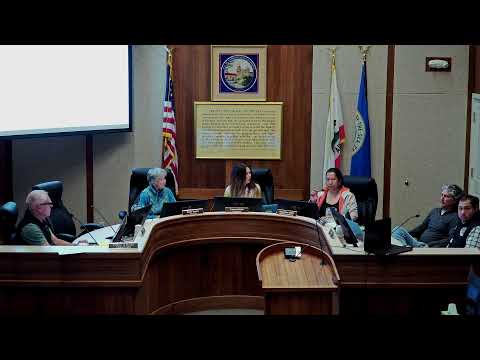
Neil, speaking for the tree fines subcommittee, gave a legal overview of enforcement options for unauthorized tree removals and pruning at the commission’s July 9 meeting. He described four enforcement “buckets”: infractions/misdemeanors (statutorily limited), administrative fines, civil liability and permit or license suspensions.
Neil referenced the city attorney’s analysis and California Government Code 53069.4, which limits excessive administrative fines. He said many higher penalties used by other cities (for example, Los Gatos, Cupertino and San Diego) fall under civil liability rather than administrative fine authorities, and that municipal code inconsistencies must be cleaned up before any new penalty schedule is adopted.
Commissioners discussed practical enforcement tools. One commissioner said fines sometimes fail to deter wealthy developers and argued suspension of contractor or arborist licenses, longer stop‑work orders and business‑license suspensions could be more effective. Neil and staff observed that stop‑work orders can be used while investigations proceed (code allows up to 90 days), but follow‑through and the city attorney’s willingness to pursue civil suits are resource considerations.
Specific examples and constraints discussed included possible civil damages tied to replacement value (some cities apply multiple times replacement cost), and the need to avoid excessive penalties that would violate constitutional limits. The commission asked the subcommittee to prepare a written set of specific recommendations — including suggested dollar amounts, criteria for civil referral and concrete code amendments — and to coordinate with the city attorney before returning to the full commission.
Next steps: The subcommittee will draft specific language and a prioritized set of enforcement options for review at a future meeting; commissioners emphasized the need for precise code language and attorney review before any changes are proposed to council.