Get Full Government Meeting Transcripts, Videos, & Alerts Forever!
Get email alerts on the Climate Action topic
No spam. Unsubscribe anytime.
Arvada council unanimously adopts Climate and Sustainability Action Plan
Summary
The Arvada City Council voted 7–0 July 7 to adopt the city's 2026 Climate and Sustainability Action Plan after months of outreach and public support; staff said annual action plans and metrics will guide implementation and that some actions will require later code updates or funding decisions.
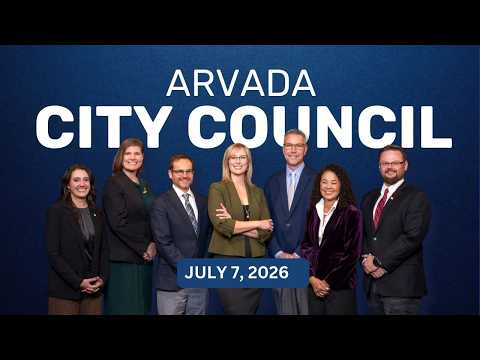
The Arvada City Council adopted the city's final 2026 Climate and Sustainability Action Plan by a 7–0 vote on July 7.
Steven Russell, the city's senior sustainability coordinator, told the council the plan is grounded in established climate science and the result of extensive outreach. "We are recommending the council adopt the climate and sustainability action plan," Russell said, summarizing goals for municipal and community greenhouse‑gas reduction and a framework for annual action plans and metrics.
The plan, known as CASAP, sets conservative initial targets for Arvada government operations and community emissions and includes a tracking framework Russell said contains roughly 150 metrics tied to annual action plans. He said staff will produce annual reports to show progress and that the plan is meant to guide city decisions rather than impose immediate mandates.
More than a dozen residents and advisory committee members urged the council to approve the plan during a public comment period. "I am here tonight to urge you to unanimously adopt the Climate and Sustainability Action Plan," Holly Fieldman said, adding that the plan is a necessary first step amid worsening air quality and wildfire risks.
Council members pressed staff on implementation details, asking how progress will be tracked and how the CASAP would align with land use and building codes. Russell said staff will publish annual progress reports and develop action plans with attached metrics; several strategies will require coordination across departments and, in some cases, changes to the land development code.
Council members also asked about funding. Russell and staff said many actions can be pursued opportunistically via grants and partnerships; having an adopted plan, they said, will make Arvada eligible for some grants and technical assistance that require an existing climate plan.
Council member comments emphasized both urgency and the plan's pragmatic approach. Mayor Pro Tem Mormon, who moved adoption, said the plan represents "one of the most important actions" the council will take, citing impacts on public safety and long‑term costs.
The council adopted the CASAP and directed staff to return with annual action plans and progress reports. Staff and council also noted that some strategies identified in the plan will require additional analysis, budget decisions or code updates, which will come back to council for review or approval as those implementation steps are developed.