Get Full Government Meeting Transcripts, Videos, & Alerts Forever!
Get email alerts on the Economic Development topic
No spam. Unsubscribe anytime.
Wyoming council adopts citywide economic development district and plan to enable EDA financing tools
Summary
The council voted to establish a citywide economic development district and adopt a plan that gives the local EDA authority to pursue eligible public improvements and use financing tools such as lease-revenue obligations; the adoption does not itself authorize issuance of debt.
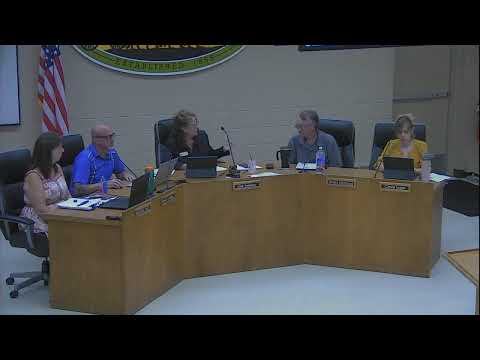
The Wyoming City Council on July 7 approved a resolution establishing an economic development district that would encompass the city and adopted an economic development plan to give the Wyoming Economic Development Authority (EDA) statutory authority to support eligible public improvements.
Planning and finance staff described the measure as a statutory framework that allows the EDA to utilize financing mechanisms authorized under Minnesota statute, including lease revenue financing and other revenue-supported obligations, while stressing the council would make any future decisions about issuing debt or specific financing terms.
"Approval of the economic development district and economic plan tonight does not authorize the issuance of any debt or approve any specific financing at this point," said Mister Linwood (staff member).
Council members discussed how the district and plan could support construction or renovation of municipal facilities such as a new city hall, fire and police facilities, public infrastructure and potential workforce housing. One council member expressed skepticism that the EDA's lease revenue financing could burden taxpayers or discourage private developers unless offset by incentives.
"I have a lot of skepticism of the idea that remodeling facilities will provide a stimulating effect for the development of other parcels," a council member said, adding concerns that lease revenue obligations could increase taxes and drive developers to avoid Wyoming unless given substantial tax breaks.
Linwood and staff responded that the plan provides flexibility to support redevelopment, infrastructure and public facilities and that any issuance of bonds or lease arrangements would return to the council for separate approval with specific terms.
The council approved the resolution establishing the district and plan; the staff noted that future financing proposals would require separate action by both the EDA and the council, and staff indicated more detailed financing information would be available at a subsequent meeting if the council wished to proceed with bonds.
What happens next: if the council pursues lease-revenue or other financing, staff said terms and proposed bond structures would be returned to the council in a future meeting for specific approvals.