Get Full Government Meeting Transcripts, Videos, & Alerts Forever!
Get email alerts on the Local Comprehensive Plan topic
No spam. Unsubscribe anytime.
Yarmouth planner outlines 10-year Local Comprehensive Plan focused on targeted redevelopment, environment and housing
Summary
Town Planner Kathy Williams told the Yuri Yarmouth podcast the Local Comprehensive Plan (LCP) will guide Yarmouth's growth for the next decade, prioritizing redevelopment where sewer exists, environmental protection, housing affordability and resiliency projects such as wastewater and park restorations.
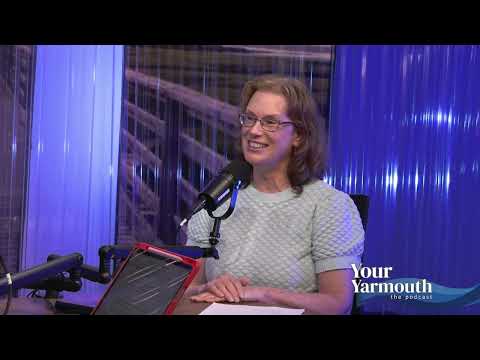
Town Planner Kathy Williams said the Local Comprehensive Plan — the town’s 10-year “master plan” — will steer Yarmouth’s growth and redevelopment while aiming to protect environmental and cultural resources.
"It's essentially our master plan," Williams said, adding that the LCP consolidates other planning efforts and began with a 2021 vision process to decide "what we want Yarmouth to look like in the future." She told the Yuri Yarmouth podcast that public engagement and consensus building have been central to shaping the plan.
Why it matters: The LCP sets priorities that will shape where development is encouraged, what infrastructure the town invests in, and how projects balance economic and environmental goals. Williams said the town is aiming for "controlled growth," focusing redevelopment in places with sewer infrastructure such as the Route 28 corridor and Route 6A village centers, and pursuing thoughtful reuse of the former Mattakee/Mattiquis site in West Yarmouth.
Key details: Williams said the plan draws together the housing production plan, open-space and recreation plan, hazard mitigation plan and other initiatives. She highlighted pressing local challenges the LCP must address: estuary water quality (the town has initiated a wastewater program), drinking-water concerns including PFAS, drought, sea-level rise risks for structures, seasonal traffic and the constraints of a tourism-driven economy, and housing availability and affordability.
On implementation and funding, Williams cautioned that major projects — wastewater, a new elementary school or a new fire station — will require financing decisions. She said staff and boards will continue to vet projects for financial viability and market demand as the town moves from planning to action.
Williams described the LCP as a framework rather than a list of fixed projects: "as we move forward with the LCP and we actually implement more and more action items, that just gives us more and more opportunities," she said. The next procedural steps she identified include deeper vetting of concepts from site-specific studies and advancing feasibility work already under way.
What comes next: The town is advancing specific studies and projects referenced in the LCP — from wastewater to school feasibility — that will test fiscal and regulatory feasibility before formal decisions. Williams said residents can participate in ongoing public engagement as details are refined.