Get Full Government Meeting Transcripts, Videos, & Alerts Forever!
Get email alerts on the Transportation Cart topic
No spam. Unsubscribe anytime.
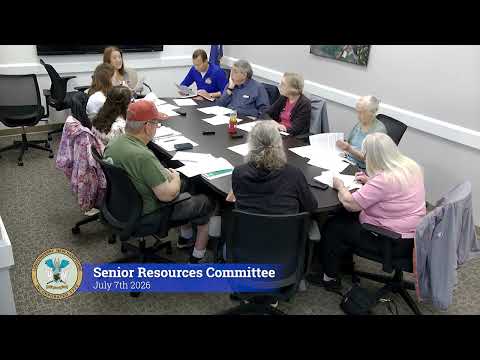
Senior Resource Committee readies council pitch to unlock funds for expanded CART service
Summary
The Londonderry Senior Resource Committee laid out a plan to access registration-fee funds and federal matches to expand CART on-demand transportation, outlining estimated local costs, projected collections, outreach to riders and a concise presentation to the town council to request release of the money collected under Warrant Article 22.
The Londonderry Senior Resource Committee agreed this week to press the town council to release funds collected under Warrant Article 22 so the town can expand CART (regional on-demand transportation) hours and services.
The committee said voters approved Warrant Article 22 and the subcommittee’s primary goal is to ‘‘extend the hours and services of CART.’’ A presenter told the group that the town began collecting a $5 registration fee on April 1 and the fund is projected to reach roughly $200,000 if patterns hold; the committee also estimated a local share near $140,000 for expanded hours, with federal matching expected to double the local investment.
Why it matters: Committee members said expanded CART hours would benefit seniors and residents with disabilities who need more flexible medical and shopping trips, and could also serve younger adults without cars. The committee emphasized that councilors will want a concise, defensible plan showing how the money will be spent and how the funding complies with state rules.
What the committee reported: A member said the fund had collected ‘‘just shy of $52,000’’ through the end of June and that final figures will depend on fleet registrations and other variables. A presenter described how CART applied for state-administered federal funds and that CART secured a larger pot of federal funding that, when combined with state contributions, can be allocated across the region. Committee members discussed preserving a reserve (about three months of service) so service isn’t interrupted if unexpected costs arise.
On the record: The committee recommended a short presentation to the town council (the group discussed keeping it to about 8–10 minutes), supplemented by short videos and interviews with current CART riders to show the human impact. ‘‘This is what your residents voted on,’’ the Chair said, urging a clear slide that states the voters’ intent and the subcommittee’s plan.
Next steps: The subcommittee will prepare a concise PowerPoint and personal videos, gather additional usage data from MTA/CART and resident interviews, and seek placement on the town council agenda for mid‑to‑late July. Committee members asked volunteers to help with outreach (senior‑center interviews, houses of worship, medical offices and social media) and to be ready to explain line‑item uses of the funds in accordance with the RSA cited by the presenter.
No formal vote was taken at the meeting to release funds; the committee is preparing a request for the council, and members said they will present a clear budget and a reserve plan when they appear before councilors.