Get Full Government Meeting Transcripts, Videos, & Alerts Forever!
Get email alerts on the Electric Grid topic
No spam. Unsubscribe anytime.
Study: Bellevue’s grid able to meet near‑term demand if planned upgrades proceed, but several substations need monitoring
Summary
An independent AECOM assessment with Puget Sound Energy found Bellevue’s substations have sufficient capacity for about 10 years if planned PSE upgrades occur, but identified three to four substations that could face constraints after 2035 and recommended joint city–PSE planning, demand‑side management and targeted projects.
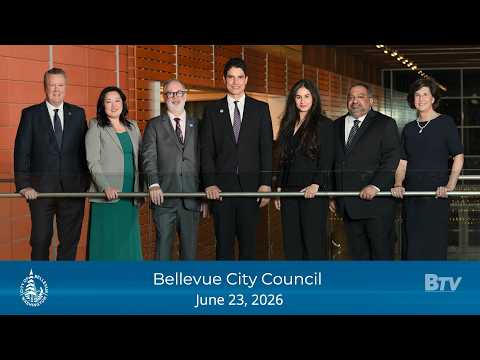
An independent electric‑grid capacity study presented to Bellevue City Council on June 23 concluded that the city has time to plan for increased electricity demand driven by projected housing and job growth and electrification — but only if planned Puget Sound Energy upgrades are completed on schedule.
AECOM consultants told council that the primary long‑term demand drivers are building electrification (heat pumps, electrified new construction) and transportation electrification (EV adoption). Their city‑level forecast — developed from the adopted comprehensive‑plan growth forecast and assumptions about electrification — projects roughly a 70% increase in demand by 2050. The consultants said that, in the near term (about 5–10 years), substation capacity is sufficient assuming PSE completes planned upgrades at substations such as Center, Mid Lakes, North Bellevue and Rose Hill.
However, AECOM identified three substations (outside of the ones covered by scheduled upgrades) that could face capacity pressures by 2035–2045 under baseline growth and electrification assumptions. The study did not model large new loads such as data centers, and it did not perform feeder‑level or transmission‑system power‑flow analysis — matters the consultants recommended for follow‑up.
Key recommendations include semiannual joint workshops between the city and Puget Sound Energy to align forecasts and timelines; selecting a high‑priority substation project as a pilot to streamline permitting and operations; and pursuing demand‑side measures — for example managed EV charging, distributed energy resources (solar + battery storage) and programs that shift loads away from peak hours to shave demand spikes.
City staff said the study will form the basis for more detailed coordination with PSE, and councilmembers requested follow‑up materials including annualized load trajectories for the identified substations, typical upgrade timelines and potential permitting improvements to accelerate upgrades.
What happens next: staff and PSE will refine implementation steps, bring more detailed timelines and cost estimates back to council, and consider budgeting for recommended follow‑up studies and coordination activities.