Get Full Government Meeting Transcripts, Videos, & Alerts Forever!
Get email alerts on the Administrative Notice topic
No spam. Unsubscribe anytime.
PURA commissioners debate whether to import advocacy from related Comcast docket into Nutmeg hearings
Summary
Commissioners, counsel and intervenors sparred over a motion asking PURA to take administrative notice of filings in a related Comcast docket; opponents said administrative notice is for facts, not party advocacy, and asked the authority to rely on record evidence and briefs instead.
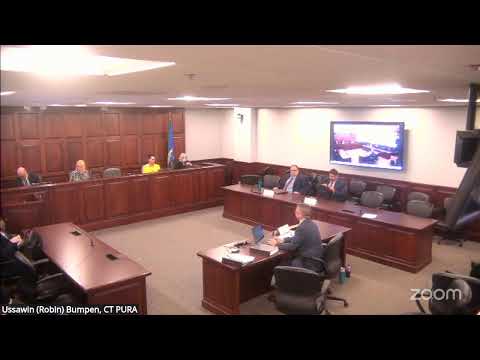
Commissioner Holly Cheeseman convened a late-filed evidentiary hearing on petitions from Nutmeg Public Access Television and opened a focused debate over whether the authority should take administrative notice of filings in a related Comcast docket. Attorney David Bogan asked the commission to grant administrative notice so that a filing in the Comcast matter—specifically the Office of Consumer Counsel’s request for a third regional studio—would be part of the record here.
Opposing counsel and Nutmeg’s representatives pushed back, arguing the motion would import another party’s advocacy rather than judicially cognizable facts. "Administrative notice is for facts and evidence," said OCC counsel Pascal Mpoku, and Nutmeg’s executive director Joni Wedler urged the authority to deny the request, calling the Comcast filing a position paper rather than a factual record item.
Why it matters: If the authority were to treat another docket’s advocacy as part of the record, parties say it could shift the scope of evidence and create an uneven cross-docket amplification of one party’s legal theory. Commissioners questioned whether administrative notice can or should be used to amplify a party’s policy position rather than discrete facts.
The hearing record shows a split in understanding. Chairman Weil and other commissioners pressed attorneys on whether administrative notice could be used merely to note that a position was taken (not to accept the truth of its assertions), while opponents emphasized that the proper vehicle for arguing cross-docket implications is the parties’ briefs and the written record in this docket. The panel took the motion under advisement and proceeded with sworn witness testimony and cross-examination.