Get Full Government Meeting Transcripts, Videos, & Alerts Forever!
Get email alerts on the Elections topic
No spam. Unsubscribe anytime.
Maricopa County supervisors unanimously adopt 2026 primary and general election plans as early voting begins
Summary
After a detailed presentation by elections staff, the Board of Supervisors voted unanimously June 24 to adopt Maricopa County's 2026 primary and general election plans, approving expanded vote centers, a new on-site ballot verification/tabulation option for mailed early ballots and additional staffing and outreach measures.
The Maricopa County Board of Supervisors on June 24 unanimously approved the county's 2026 primary and general election plans after an extended presentation and questions from the board.
Elections staff outlined several operational changes the county will implement for the July 21 primary and the November general election, including a planned 237 vote centers for the primary (up from 222 in 2024) and a target of 255'60 for the general election. "Today is actually the first day of early voting for the upcoming July 21st primary election," Scott Jarrett told the board, noting 16 early voting locations opened that morning.
The plan adds a new, in-person route for voters who have a mailed early ballot in its green affidavit envelope: they may bring the sealed envelope to a vote center, show ID and have their identity verified on site, or on election day they may remove the ballot and feed it into an on-site tabulator so that those ballots can be included in election-night results. "It's a shortcut to get your ballot counted faster," Jarrett said in the staff presentation. Elections outreach lead Zach Shira summarized the communication strategy, saying: "We don't care how you vote. We just care that you know how to participate and how to get that information."
Board members used the public session to probe logistics. Supervisors asked how polling locations would handle line management and signage, and whether greeters or marshals would be present during expected busy hours. Jarrett and Shira said the county will expand poll worker staffing, add a front-door customer-service role at sites and deploy signage and wayfinding to reduce confusion. Jarrett said mock elections and stress tests informed the rollout and that staff will monitor operations and refine procedures after the primary.
Supervisors also sought assurances about equipment reliability and budget impacts. Jarrett said the equipment is the same make used previously and has undergone stress testing; added tabulators and two-page ballots for the general election contributed to higher costs. "Minimum wage increases and additional tabulators and staffing contributed to a roughly $10 million increase," Jarrett told the board.
Public comment reflected a range of views. Some speakers urged hand counts or expressed distrust of tabulation machines; others praised the efforts to expand early voting access and urged proactive outreach for voters with disabilities. Several speakers raised concerns about behavior and staffing in the county recorder's office; supervisors reiterated that state law sets many of the rules for how elections are conducted and that the board and recorder must coordinate.
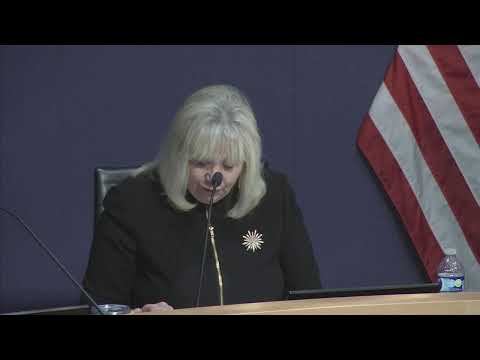
Vice Chair Lesko and other supervisors emphasized transparency and communications with voters, promising regular updates. The board voted to adopt the plans after discussion; the motion passed unanimously, with supervisors delivering short statements explaining their votes.
What happens next: staff said they will continue outreach (including videos and handouts), monitor polling-site operations during the primary and report back to the board with lessons learned ahead of the general election.