Get Full Government Meeting Transcripts, Videos, & Alerts Forever!
Get email alerts on the Grade Level Centers topic
No spam. Unsubscribe anytime.
Parent Caleb Sneski asks board for clear metrics and contingency plans as Dowagiac shifts to grade‑level centers
Summary
At the Dowagiac Union School District board meeting, community member Caleb Sneski asked the board to publish specific performance indicators and contingency plans to measure the success of the district’s move to grade‑level centers, citing transportation and family‑stability risks.
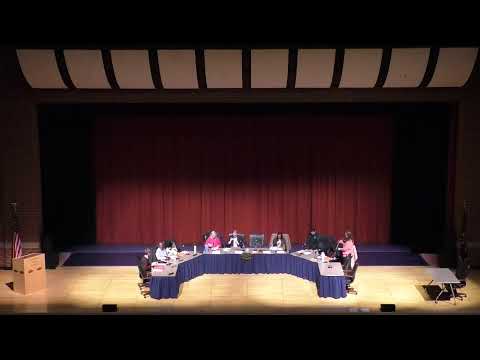
Caleb Sneski, a Silver Creek Township resident and parent, urged the Dowagiac Union School District board to make public the data and contingency plans that will determine whether the district’s move to grade‑level centers succeeds. "What specific key performance indicators has the board established to measure the success of grade level centers by the end of year 1?" he asked during the public‑comment period.
Sneski, who said his professional background is in operations management, laid out three on‑the‑record questions: how the district will quantify academic‑equity gains in year one; what operational contingencies exist if the new shuttle‑hub transportation system exceeds budget or faces driver shortages; and how the district will limit added logistical burdens on families whose children may face different start and dismissal times.
The concern drew on recent district planning: Superintendent Greg Bloemgren told the board the district has completed community forums and is continuing to plan transportation, calling transportation "an ongoing, evolution and work in progress." He said the district has an Elementary Advisory Committee meeting scheduled the following Monday to continue discussions with teachers and staff. "Transportation is an ongoing, evolution and work in progress. We have another meeting with them coming up," Bloemgren said.
Board members and administrators did not offer a detailed, single set of year‑one metrics during the meeting. The superintendent described continuing work on program design — including consideration of a "Young Fives" early‑childhood option and coordination with regional partners for pre‑K and Head Start programs — but did not specify target KPIs or thresholds for success.
Sneski also asked about contingency planning if transportation costs exceed budget or driver shortages reduce reliability. Bloemgren said transportation planning remains a work in progress and that the district is coordinating further meetings with transportation partners.
The shift to grade‑level centers is part of district efforts to boost academic equity and specialized teacher collaboration; at the meeting Bloemgren emphasized that community forums have been held across elementary buildings. Caleb Sneski said families deserve to see the objective data behind the promise so they can have confidence in the change.
Next steps: the board’s Elementary Advisory Committee will meet with transportation staff and teachers to refine operational plans; the board did not set a public deadline for releasing specific year‑one performance metrics.