Get Full Government Meeting Transcripts, Videos, & Alerts Forever!
Get email alerts on the Health Lymphoma Resources topic
No spam. Unsubscribe anytime.
Lymphoma Research Foundation representative outlines symptoms, diagnosis and Spanish-language resources
Summary
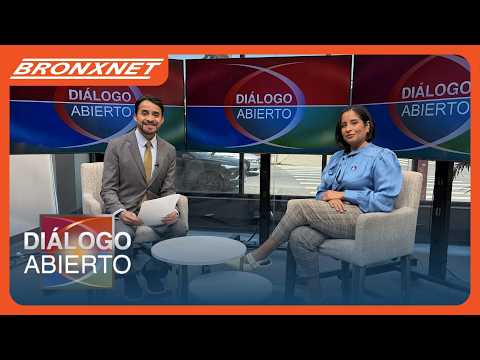
On Diálogo Abierto, Gina Aracena of the Lymphoma Research Foundation explained what lymphoma is, common warning signs, how it is diagnosed, and described Foundation services — including Spanish materials, patient navigation and guidance on clinical trials.
Gina Aracena, representing the Lymphoma Research Foundation, told Diálogo Abierto viewers that lymphoma is a cancer of the lymphatic system — part of the immune system — and described common signs, diagnostic steps and support services the Foundation offers in Spanish.
Aracena said typical warning signs include persistent swollen lymph nodes (often in the neck, armpit or groin), unexplained fever, weight loss, itching and night sweats. She advised anyone who notices persistent swelling or unexplained systemic symptoms to seek medical evaluation promptly.
On diagnosis, Aracena explained that clinicians commonly use biopsy (fine-needle or surgical, depending on location), blood tests and imaging to confirm lymphoma and determine its stage. She described lymphoma as having a range of types and stages — from indolent forms that grow slowly to more aggressive variants that require faster intervention — and said care is normally managed by a hematology-oncology specialist.
Aracena outlined services the Lymphoma Research Foundation makes available to patients and caregivers: educational materials in Spanish, emotional-support programs, patient navigation and guidance about treatment options and clinical trials. She emphasized that clinical trials are not necessarily a last resort and may be considered early in a patient’s care plan.
Contact information mentioned on air included the Foundation’s website and an email contact provided in Spanish on the program; Aracena said services and materials are offered in the patient’s language. The host also directed viewers to BronxNet’s website and social channels for the episode recording.
Why it matters: Aracena highlighted disparities that can delay diagnosis among Hispanic patients — language barriers, distrust of the health system and insurance limitations — and urged awareness of symptoms and available help. The program’s health segment focused on education and practical support rather than novel clinical findings.
The interview closed with the host thanking Aracena and noting where viewers can find the episode online for later viewing.