Get Full Government Meeting Transcripts, Videos, & Alerts Forever!
Get email alerts on the Community Cleanup topic
No spam. Unsubscribe anytime.
Holbrook student leaders urge year‑round weed control, landscaping and volunteer programs after cleanup
Summary
Holbrook High School student council presented findings from a community cleanup, citing overgrown weeds hiding litter, safety and fire concerns, and proposed a year‑round weed‑management plan, native landscaping and volunteer ‘adopt‑a‑block’ efforts to improve town entrances and encourage tourism.
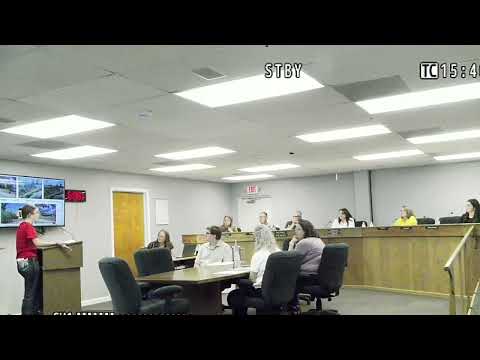
Alexis Young, student body president at Holbrook High School, told the City Council on July 8 that student volunteers found litter hidden beneath thick, overgrown weeds and neglected properties during a city-partnership cleanup.
"When you drive into Holbrook, what do you see?" Young asked the council, later saying, "Weeds aren't just an appearance issue" and describing how volunteers were scratched and sometimes could not safely reach trash beneath dense vegetation. Young said the conditions reduce safety, discourage visitors and can depress community pride.
The students documented overgrown lots, abandoned buildings and damaged sidewalks and argued those visible signs of neglect contribute to more litter and vandalism — referencing the "broken window" idea when warning that unattended spaces can accelerate decline.
To address the problems, Young recommended a year‑round weed‑management schedule — maintenance in spring, before and after monsoon season, and in the fall — plus replacing bare dirt with low‑maintenance native landscaping to conserve water. She also proposed expanding community beautification days, creating an "adopt‑a‑block" program for businesses and groups, and improving Route 66 entrances with native plantings and public art to attract visitors.
"If we allow weeds to continue growing unchecked, they'll continue hiding trash, creating fire hazards, and making cleanup efforts more difficult," Young said, summarizing the students' case for prevention over costly remediation.
Mayor (speaker 2) thanked the students and said the council already includes community beautification among its strategic goals. He invited the student council to a future work session to further develop proposals in partnership with city staff.
The presentation also noted potential funding strategies: students suggested applying for beautification grants, inviting business sponsorships for planting beds and using community fundraisers to offset smaller projects. The students said larger projects could rely on partnerships or grant matches rather than the city carrying all costs.
The council did not take formal action on the students' recommendations at the July 8 meeting but scheduled a work session to continue the discussion and invited ongoing student involvement.