Get Full Government Meeting Transcripts, Videos, & Alerts Forever!
Get email alerts on the Annexation Study topic
No spam. Unsubscribe anytime.
Consultants acknowledge counting error in annexation addendum as residents demand clearer tax impacts
Summary
Consultants for Seaside Park’s annexation impact addendum acknowledged a duplicated number that inflated projected tax savings; residents pressed for corrected tables, independent review and clearer multi-year estimates before any ordinance moves forward.
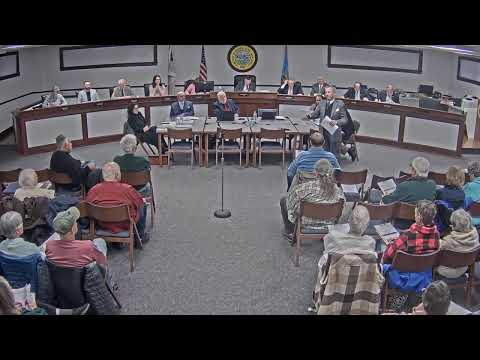
Kenny Roberts, a consultant with Element Strategy Group, told the Seaside Park mayor and council that an addendum to the town’s annexation impact study contained “an error in the report” and that “one of the numbers was counted twice,” an admission he offered at a March 19 informational work session.
The admission came as Roberts and the study’s senior finance expert, John Gross, walked the governing body and the public through three summary charts in the addendum. Gross said the report breaks municipal impacts into entity-by-entity tax components, converts those components into tax rates and illustrates the effect on a sample $600,000 home. Under the study’s conservative scenario, Gross said, a typical $600,000 house would see “about an 8.02% savings,” which the consultants estimated as a reduction of less than $900 for the first-year projection.
The consultants said they used source data (including figures supplied by the regional school business administrator) and conservative assumptions for municipal operating costs, potential new hires and a proposed allocation of Berkeley Township’s debt. Roberts said the duplicated count created an “artificial increase” in projected savings; he apologized “to the mayor and council and more importantly to all of you,” and said the firm issued an event report to clarify the figures.
Residents at the session challenged whether the error undermined the rest of the analysis. Tom Joseph and multiple commenters described the addendum as difficult to interpret and urged clearer annotations and page references. “This is the worst report, worst written report I have ever seen,” one resident said, criticizing missing detail and inconsistent percentage displays in the addendum’s tables.
Other residents emphasized different stakes. James Fulcomer told the council that prior financial testimony and the study’s conclusions both indicated annexation would lower Seaside Park homeowners’ taxes and urged the council to vote in favor of annexation if its goal is tax reduction. Joanne Penn and Kathy Fulcomer urged elected officials to weigh the “humanistic” and zoning implications of expanding the borough, saying annexation offers a one-time opportunity to shape future land use.
Multiple speakers asked for a longer view than the addendum’s chiefly one-year focus; Dave Orbach, participating remotely, said the underlying study should be amended—not just supplemented—and urged a five-year projection to capture litigation and master-plan impacts that could affect long-term costs.
Council members and consultants described negotiation options for dividing Berkeley Township’s allocable debt and said several methodologies (relative assessed value, per-capita or geographic share) could produce materially different results. Roberts noted the addendum’s conservative debt estimate (the report’s allocable debt and future capital needs were described as about $2,600,000, to be financed over 10 years in the consultants’ conservative scenario) and said the council would scrutinize staffing and operating assumptions.
Several residents urged delay before any ordinance introduction, calling for independent review and clearer public communication after the error received widespread attention on social media. Mayor John Peterson Jr. closed the public portion after thanking speakers and moved the meeting toward other agenda items; no formal council vote on annexation took place during the work session.
What happens next: council members indicated they would follow up with staff and counsel, and the addendum and its event report remain the reference documents for future deliberations and any ordinance action.