Get Full Government Meeting Transcripts, Videos, & Alerts Forever!
Get email alerts on the Budget And Finance topic
No spam. Unsubscribe anytime.
Washington County reviews midyear budget, ARPA and employee‑insurance updates
Summary
Treasurer Hill and Comptroller Sherman reported midyear financial results showing the county roughly $9.3 million under budget year to date and an ARPA COVID mitigation fund balance of about $1.845 million; the employee-insurance manager said stop‑loss rebates typically arrive in the second half of the year.
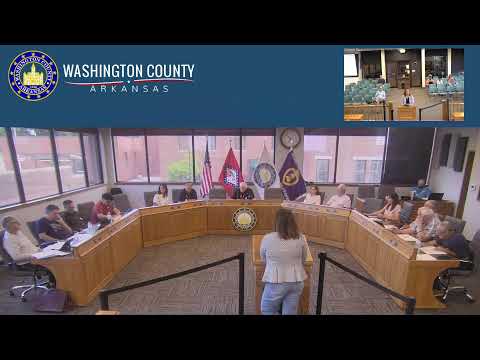
Washington County officials told the Quorum Court the county’s midyear finances are in generally good shape, with several accounts under budget and some one‑time appropriations still available.
Treasurer Hill reported the county began the month with approximately $76.6 million in the bank and ended the month near $73.6 million; he said June is not a strong revenue month and flagged that the general fund ran higher in expenditures over revenue for the six‑month period. Treasury figures showed general property-tax receipts were lower in June (about $595,000 this month versus $647,000 last year), but year-to-date property-tax revenue remained about 7% higher than the prior year.
Comptroller Sherman told the court the county has spent about $60.8 million against a $140 million overall budget about halfway through the year, leaving roughly $9.3 million under budget across funds. Sherman said the previously appropriated $2 million for employee insurance has not been tapped and that County Road and the jail are under budget year to date. For ARPA, Sherman reported about $250,000 has been spent on COVID mitigation and roughly $1.845 million remains.
On employee coverage, Mister Angel reported May employee-insurance spend was about $893,000 (down from $988,000 in April), noted that stop‑loss rebates historically arrive in the second half of the year and said the plan covers about 615 employees plus dependents (roughly 850–900 people). Angel said the program remains over target for the year but that stop‑loss reimbursements could flip the plan back toward surplus later this year.
The court asked several clarification questions about sales-tax percentage differences (Treasurer Hill attributed the discrepancy to annexations affecting one of the county sales-tax measures) and about how opioid-settlement funds are used for drug court; Comptroller Sherman said the state settlement funds are used to support drug-court caseworkers and related services.
The reports drew no formal fiscal votes; members moved next to personnel and regrade ordinances.