Get Full Government Meeting Transcripts, Videos, & Alerts Forever!
Get email alerts on the Municipal Budget topic
No spam. Unsubscribe anytime.
Kankakee mayor presents first readings of city and ESU budgets; public hearings scheduled
Summary
The mayor presented first readings of the City of Kankakee budget and the Environmental Services Utility budget for FY 2026–27, describing conservative revenue estimates, planned public hearings and a projected surplus on paper; no council action was taken on first reading.
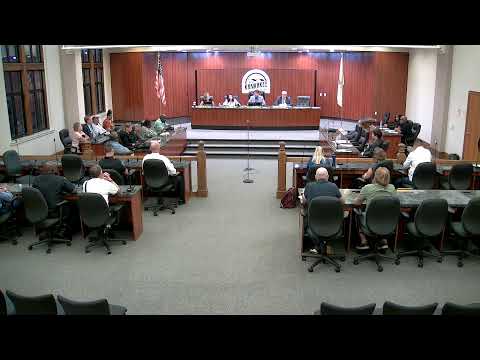
Mayor Christopher Curtis presented first readings of the City of Kankakee fiscal year 2026–27 budget and the Environmental Services Utility (ESU) budget during the July 6 meeting, with no votes taken (first reading only).
On the city budget, the mayor said the packet shows a paper surplus of $527 and described the document as balanced. He said staff used conservative revenue estimates and noted some revenue streams are down; expenses increased “only by $608,000 over last year's budget,” and the administration expects to hold tight on spending. The mayor outlined the schedule: a public budget meeting the following week, a second public hearing and second reading on July 20, and a final vote thereafter.
On the ESU budget, the mayor said the draft shows a surplus of about $300,221 and includes a capital line item of $2,675,000 intended for equipment, property maintenance and storm repairs. He said using capital funds instead of bonding will reduce borrowing needs.
Council members were invited to submit questions to the city manager or comptroller before the next meeting. The mayor stressed the budgets are conservative in revenue estimates to avoid shortfalls and that storm recovery remains an uncertain factor.
What’s next: public hearings and a second reading are scheduled; council will vote after the second reading and public comment period.