Get Full Government Meeting Transcripts, Videos, & Alerts Forever!
Get email alerts on the Community Workforce Agreements topic
No spam. Unsubscribe anytime.
Public commenters urge Spokane parks to require local-hire workforce agreements on major projects
Summary
Two public commenters asked the Spokane Park Board to direct staff to evaluate community workforce or community benefit agreements for large park capital projects so local residents and pre-apprenticeship graduates get prioritized access to jobs and apprenticeship pathways.
Curtis Hampton, board chair of the PEP pre-employment preparation program, told the Spokane Park Board that park capital projects should include community workforce agreements (CWAs) or community benefits agreements (CBAs) to connect local residents to apprenticeship programs.
"A public project may create construction work, but without an intentional pathway, pre-prepared local residents may never get a fair point of entry into the apprenticeships," Hampton said, asking the board to "direct staff to evaluate community workforce agreement or a community benefit agreement for major park capital projects, including local hire, apprenticeship utilization, priority pathways for PEP graduates, for instance, and clear reporting on outcomes." He said PEP prepares Spokane residents — many coming from justice-involved or otherwise marginalized backgrounds — for registered apprenticeships.
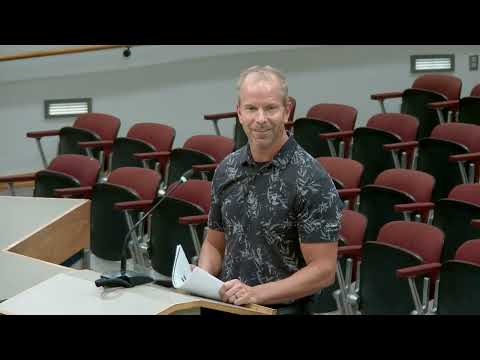
Steve Winkler, identifying himself as a lifelong Spokane resident, backed the idea and urged the board to apply a "public dollars for public use" ordinance to upcoming park projects so "local residents who use these parks that also help build them can use them as well." Winkler said prioritizing Spokane workers and contractors would strengthen neighborhoods and the local economy.
Board members did not immediately direct staff to draft a specific ordinance during the public comment period; the comments were made during the board's public-comment segment that precedes regular agenda business. Speakers framed CWAs/CBAs as a way to pair public capital investments with local workforce development and to increase access to registered-apprenticeship pathways. The board did not take a formal vote on policy changes during the meeting; commenters asked staff to evaluate and report back.