Get Full Government Meeting Transcripts, Videos, & Alerts Forever!
Get email alerts on the Charter Governance topic
No spam. Unsubscribe anytime.
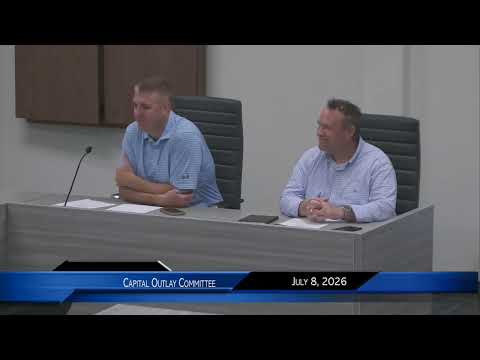
Harwich capital outlay committee pushes back on charter changes that could add extra two‑thirds votes
Summary
At its July 8 meeting the Capital Outlay Committee urged the charter commission to narrow proposed language that could force extra two‑thirds votes and require volunteers to ‘prepare’ the town’s capital plan; members requested another joint meeting and asked for clearer wording before the draft goes to the state.
The Capital Outlay Committee on July 8 told the town’s charter commission that proposed wording on the five‑year capital plan and two‑thirds votes is confusing and could impose extra voting burdens on town meeting.
Chair framed the objection as a matter of roles and clarity, saying, “We’re volunteers. We’re an advisory committee. That’s really not our role,” and urging removal of language that could be read to require the committee to prepare the capital plan rather than advise staff and elected officials.
Why it matters: committee members said ambiguous charter language could change how capital projects are presented and approved at town meeting, potentially turning routine calendar items into multiple separate votes. That could lengthen town meeting and increase procedural complexity for projects ranging from vehicles to larger capital works.
Members debated a provision that would require a two‑thirds vote for “any capital project that has not been included on any prior year capital outlay plan.” One member suggested a narrower rule: require the supermajority only when a project appears in year‑1 and is newly introduced to the plan. “The only 2 thirds vote that I would be comfortable with is a project that’s appearing in year 1,” said a committee member who supported restricting the requirement.
The committee also pushed back on draft text that removed a requirement to provide the funding source in submissions. Several members argued funding information is material to committee recommendations and may influence a member’s vote, while others said funding decisions are handled by town staff and the finance committee and should not be used as the determinative element of the committee’s recommendation.
Legal review and next steps: members noted the charter commission has engaged outside counsel to check compliance with Massachusetts General Law and said a final draft must go to the Attorney General’s office this fall. The committee asked for another joint meeting to provide marked edits and reach consensus before the commission sends materials for state review.
Committee members agreed to pursue language that avoids duplicative votes and preserves the committee’s advisory role; they also asked that specific problematic provisions — including the treatment of projects that fail at election and an explicit compliance/penalty section — be reviewed in the next joint session.
The committee scheduled site visits and agreed to return to the charter topic at the upcoming joint meeting; no formal changes to the charter were made by the committee itself during this session.