Get Full Government Meeting Transcripts, Videos, & Alerts Forever!
Get email alerts on the Humanitarian Ai topic
No spam. Unsubscribe anytime.
Humanitarian agencies say AI helps target aid, spot suspicious transactions and predict crises
Summary
Representatives described how international aid and development programs use artificial intelligence for supply-chain optimization, fraud detection, early crisis warning and to help connect young people to the internet. Speakers gave concrete operational examples but announced no formal policy or regulatory actions.
An agency official said international humanitarian organizations are increasingly using artificial intelligence to make aid delivery faster and more precise, including using robotics in hard-to-reach areas.
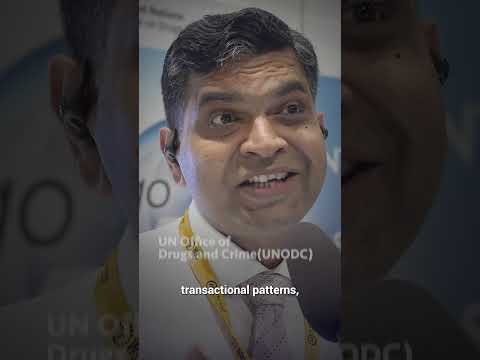
The panel described operational uses of AI across multiple functions: optimizing the World Food Programme’s supply chain to better identify where hungry people are and how to assist them, using AI in UNICEF’s Giga project to help extend safe internet access to young people in partnership with the International Telecommunication Union, analyzing transactional patterns to flag suspicious financial activity, and combining datasets to anticipate crises before they occur. Speakers did not announce formal policy decisions or regulatory proposals.
The agency official described logistics applications at the World Food Programme, saying, "World Food Programme uses AI in supply chain optimization in determining where hungry people are and how to help them better." The official added that "using AI and robotics in some of the harshest places to actually remote control vehicles" has allowed operations in environments that are otherwise difficult to reach.
A Giga project lead at UNICEF, describing the partnership with the International Telecommunication Union, said the program "uses AI to help connect young people to the Internet" and to "help make sure that networks are safe, that the Internet gets where it's supposed to go." That work was presented as focused on network reach and resilience rather than on content moderation or policy.
A staff member described analytic tools applied to financial data: "We look at the financial transactions, and these systems help to analyze those to separate the suspicious kind of transactions from the non suspicious ones." According to the speaker, those tools act as filters to surface items for human review.
Another agency official discussed early-warning uses, saying the organizations are "analyzing a lot of data and different information sets to know when a crisis is happening and where before it even happens." The official framed this forecasting as a way to prioritize response resources.
Speakers emphasized that technology augments personnel on the ground. "We have boots on the ground, personnel in places in all these countries and locations, and we use technology to help our teams on the ground to better understand the risks of where they are," one official said.
The panel presented operational examples rather than formal commitments. No participant announced a vote, regulation, or new funding decision during the session. The remarks were framed as descriptions of ongoing programs and tools used by humanitarian and development organizations.