Get Full Government Meeting Transcripts, Videos, & Alerts Forever!
Get email alerts on the Surveillance And Transparency topic
No spam. Unsubscribe anytime.
Residents press council over Flock camera surveillance and last-minute agenda changes
Summary
More than a dozen residents urged the Mount Vernon City Council to improve transparency and raised privacy concerns about Flock ALPR cameras after recent votes to cover/turn off the cameras; speakers disputed whether the council's late agenda additions denied the public input.
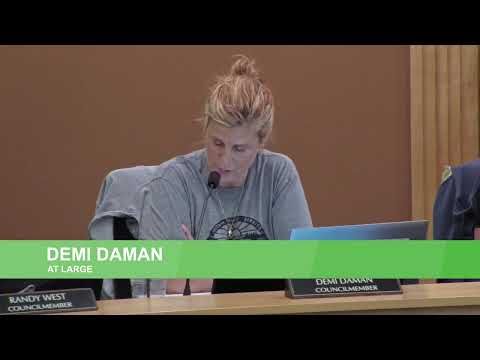
Residents filled Mount Vernon City Hall on Wednesday to urge the City Council to be more transparent about agenda-setting and to press the council on concerns about Flock automated-license-plate-recognition (ALPR) cameras.
Several commenters said the council's practice of adding or accelerating agenda items without advance public notice has denied residents an opportunity to participate. An emailed commenter asked the council to "reject the motion as presented as out of order" or to remove references to municipal code from a censure motion that was being considered; another former mayor warned that the suspension of notice rules had happened twice in six months.
Public speakers presented sharply differing views on the camera technology. Sam Irons told the council that ALPRs "create an expansive digital footprint for us at the cost of our privacy," arguing some community members face increased risk. Lehi Ash said the camera system provides investigative benefits and estimated the annual cost of the tool at "about $34,000 a year," calling the technology an important policing tool. Other residents — including students, longtime residents and community organizers — urged the council to do more outreach, publish committee meeting materials, and consider temporary or limited posting of committee recordings so more residents can provide informed comments.
Speakers also debated whether the votes that covered and later turned off or maintained cameras were properly noticed. Some residents and council members said prior committee discussions and public comment over months justified expedited action; others said the timing deprived the public of meaningful input and risked undermining trust. The council acknowledged the concern and several members pledged to improve procedures; one council member recommended providing resumes and more background for advisory-committee nominees to improve transparency.
No new policy or ordinance about ALPRs was adopted at the July 8 meeting. Public testimony included technical and procedural claims (data retention, sharing with federal agencies, and use for AI training) that were not resolved during the session. Council members said they would follow up by examining committee communications, posting more information and returning with process changes.
What happens next: The council approved Resolution 11-05 to reestablish a citizen advisory committee and requested more information from staff about committee membership; separate technical questions about Flock/ALPR data-sharing and retention were raised but not settled at the meeting and will require further staff reports or committee review.