Get Full Government Meeting Transcripts, Videos, & Alerts Forever!
Get email alerts on the Data Centers topic
No spam. Unsubscribe anytime.
Residents urge moratorium and independent study as Waterloo council hears wide opposition to proposed data center
Summary
Dozens of residents told the Waterloo City Council on July 6 they oppose terms and transparency of a proposed data-center deal, raising concerns about water use, noise, health, tax subsidies and lack of public input and urging a moratorium and independent environmental study.
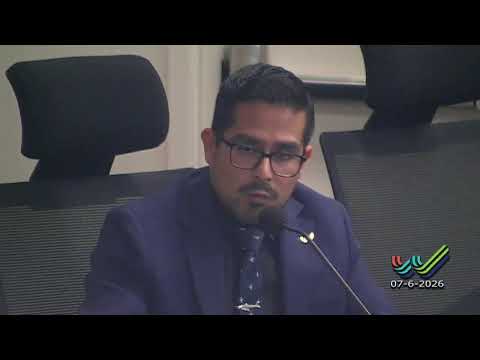
Dozens of Waterloo residents filled the public-comment period at the City Council's July 6 meeting to press officials to pause a proposed data center development and to demand more transparency and oversight.
Blake Smith, of 221 Gilbert Street, opened a string of speakers by urging a moratorium and independent study, saying the city should weigh "what are the costs and what is at stake?" He warned of constant noise and health effects he associated with some data centers and asked the council to "adhere to the will of the people." (Blake Smith)
Multiple speakers raised similar objections. Carol Chaden (Ward 1) said the development agreement with Wahawk Power LLC appeared to heavily subsidize private gains: "The city sold 12 acres of publicly owned industrial land to a private corporation for exactly $1," she said, adding the agreement grants an option to buy another 12 acres for $1 and includes a 10-year, 50% tax abatement while guaranteeing only 10–30 permanent jobs. Chaden urged the council to "pause all upcoming site plan approvals, institute a temporary moratorium on data center construction, and mandate a full environmental and resource impact study." (Carol Chaden)
Other residents raised related concerns about water consumption, wastewater safety, property values, and lack of outreach to neighboring communities that share groundwater and infrastructure. Carolyn Harbaugh Belfi said decisions appeared to be moving "so fast and secretive" and asked the council to hold public meetings that include surrounding townships. Laura Benson, who lives in nearby Evansdale, told council members that officials should engage neighboring jurisdictions because "we all share the same water source." (Carolyn Harbaugh Belfi; Laura Benson)
Council members responded that land-use decisions would go through planning and zoning before returning to the council. The mayor said planning-and-zoning meetings are expected to be set in August or September and will be posted on the City of Waterloo website. Councilmember Simon said the council is "doing the work"—reviewing noise, water consumption and electrical impacts—and would gather more information as needed. Councilmembers encouraged residents to attend ward meetings and planning-and-zoning hearings to provide input. (Mayor; Councilmember Simon)
Representatives of city staff did not present a developer at the meeting, and several speakers noted uncertainty about the company and the number of facilities proposed. Citizens repeatedly asked whether the city had signed binding commitments and whether independent engineering or aquifer-impact studies had been done; council members did not assert any new study had been completed and directed residents to upcoming public processes.
What happens next: Council members said the proposal must go before the planning and zoning committee before council action; a date had not yet been set. Residents asked the council to consider a moratorium until independent environmental and resource-impact analysis and broader public engagement are completed.