Get Full Government Meeting Transcripts, Videos, & Alerts Forever!
Get email alerts on the Animal Control topic
No spam. Unsubscribe anytime.
Local animal-rescue group urges Ripley County to adopt ordinances, expand animal-control services
Summary
Ripley Care urged the county to adopt animal-control ordinances, citing 141 animal-related dispatch calls in three months, recent hoarding complaints and a push for an animal control officer and monthly spay/neuter clinics; commissioners agreed to meet with the dog warden and involve the sheriff in drafting ordinances.
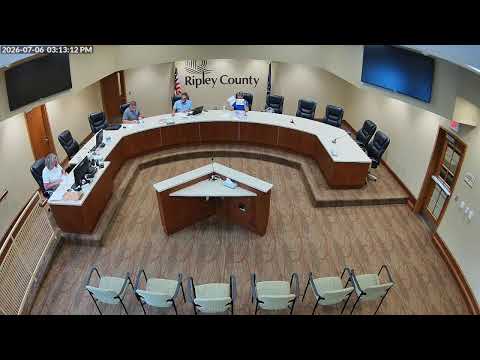
Janine Ostendorf, founder of Ripley Care, told commissioners that the nonprofit has documented a surge in animal-related complaints and is pushing the county to adopt ordinances and strengthen animal-control capacity.
"On June 15, we were made aware of a hoarding situation down in Holton," Ostendorf said, describing complaints alleging 23 to 25 dogs kept in poor conditions. She told the board she obtained dispatch logs showing "we had a 141 in 3 months" of animal-related calls including bites and abuse, and argued that county ordinances with fines and fees would give the dog warden enforcement tools and help manage repeat offenders.
Ostendorf announced an upcoming spay/neuter clinic scheduled for July 10 at the Ripley County Humane Society and requested donations and collaboration; she also offered ordinance templates researched from surrounding counties as starting points. The sheriff's office representative confirmed he would assist with ordinance drafting and investigative follow-up where criminal conduct is suspected.
Commissioners agreed to convene a working meeting with the dog warden (Perry), sheriff's office and Ripley Care to clarify the county's needs, possible funding, and next steps for ordinance language and enforcement. The board discussed the likely cost implications of creating a dedicated animal-control position and acknowledged funding uncertainties but stressed the need to plan before the current dog warden leaves.
The board asked staff to schedule a focused session (targeting late morning before the next meeting) to include Perry and other stakeholders to scope ordinances, fees, and operational requirements.