Get Full Government Meeting Transcripts, Videos, & Alerts Forever!
Get email alerts on the Planning And Development topic
No spam. Unsubscribe anytime.
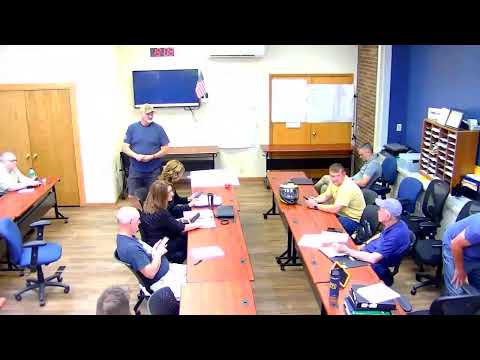
Task force prioritizes utility review, comp plan and grants work as development opportunities are explored
Summary
The task force discussed utility availability, comprehensive-plan updates, discretionary tax formula changes and grant strategies — including a possible nonprofit vehicle — and agreed to pursue targeted work through subcommittees before reporting back to the full group.
Members spent substantial time on planning and economic-development priorities, including reviewing where utilities (water, sewer, electricity) already exist, how a comprehensive plan update could direct future growth, and whether changes to the discretionary formula at the state level might affect how the county handles development.
Committee member 10 said recent conversations indicate there may be legislative action to change the discretionary formula and urged the group to monitor and engage with equalization staff: “There’s gonna be legislation brought forward this year to change the discretionary formula to make it parcel by parcel,” the member said. Several members said a utility review — mapping existing water, sewer and electric capacity — would help identify locations suitable for commercial development outside city limits.
The group also discussed pursuing grant funding and recommended exploring nonprofit or philanthropic vehicles for projects that public entities cannot directly fund. Committee member 3 described a local strategy used elsewhere: where governmental entities partner with a 501(c)(3) to secure grant types that prioritize non-profit recipients. Members agreed to task a subcommittee with researching grant options, potential matches and examples of successful regional projects (members cited a recent large philanthropic redevelopment as an example to study).
Data centers and large private landowners came up repeatedly; members cautioned against naming or pressuring landowners who had explicitly declined development. The task force emphasized outreach only if landowners expressed interest. Throughout the discussion members returned to the pragmatic point that utility availability, sewer and water constraints, and realistic funding sources will determine which projects are feasible.
Next steps: subcommittees will inventory utilities and funding options, identify potential planning grants and produce reports for the next full meeting.