Get Full Government Meeting Transcripts, Videos, & Alerts Forever!
Get email alerts on the Governance topic
No spam. Unsubscribe anytime.
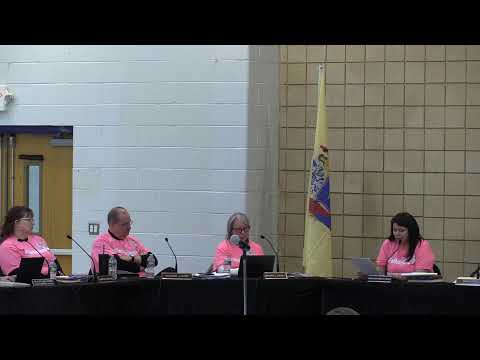
Board president defends removing PTA liaison as members spar over cyberbullying resolution
Summary
The Old Bridge board president said she removed a designated PTA liaison because of repeated dismissive behavior toward her; a later motion to reopen a newly posted cyberbullying resolution failed after extended debate about timing, scope and members’ social-media conduct.
The Old Bridge Board of Education’s new president explained at Tuesday’s meeting that she removed the board’s designated liaison to the President’s Council after what she described as repeated dismissive and condescending treatment during council meetings.
"While these experiences did not diminish my sense of self, I strongly believe that leadership must set the standard," the board president said, describing the change as necessary to protect volunteer culture and promote respectful conversation. She said district administrators and board members would continue to attend council meetings to share information; the only change is removing a designated liaison.
The explanation came after the board read a letter from Bridget Halava and Stephanie Bruno, co-coordinators of the Old Bridge PTA President’s Council, asking the board to reconsider removing the liaison because the council provides a regular channel for parent engagement and information-sharing.
Later in the meeting the board became embroiled in a lengthy debate over a recently posted "cyberbullying" resolution that the president had placed on the agenda. One board member said she had not read the resolution before voting and objected that the measure appeared to hold the broader community accountable for online speech — an authority she said the board does not possess. "I don't feel comfortable as a board of education member making any kind of judgment or recommendation to the whole community," the member said.
The president responded that the resolution was intended only as "a statement of principle, nothing more," not a policy or law. "It doesn't police the community," she said, adding that community members had suggested the idea and that the resolution was not intended to impose accountability or restrict speech.
Other members urged better advance notice when unilateral agenda additions are made and recommended stronger internal communications. One member who identified himself as a developer urged the board to work with the township to secure community benefits from pilot agreements; another called for a process to ensure the full board is aware of agenda changes.
A motion to put the cyberbullying resolution back on the agenda for further discussion was seconded and taken to a roll-call vote; the board declined to revisit the resolution (the chair announced "the noes have it").
The meeting record indicates the debate centered on timing, message wording (some members suggested softening the word "community") and consistency in board members’ social-media behavior. The board did not adopt any new policy on social media at Tuesday’s meeting.