Get Full Government Meeting Transcripts, Videos, & Alerts Forever!
Get email alerts on the Senior Services topic
No spam. Unsubscribe anytime.
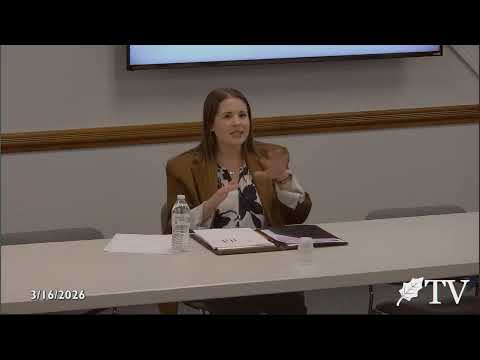
Ariel Preciado asks Oakland council to double senior center transportation hours to meet rising demand
Summary
Ariel Preciado told the council the senior center serves 905 members (about 350 active) and is asking to expand its transportation service from roughly 15 to 29 hours per week to meet sharply rising demand for medical and shopping trips.
Ariel Preciado, a presenter for the borough senior center, told the council the center has 905 registered members, about 350 of whom are active, and detailed heavy program use and rising transportation needs. "What we built here... reflects Oakland's values and priorities," Preciado said, arguing the center lets many residents "age in place."
Preciado urged the council to fund expanded rides service, saying demand rose sharply year‑over‑year. She asked the borough to expand the center's current roughly 15 hours per week of driver service to 29 hours, adding morning and full‑day runs to accommodate more medical appointments and shopping trips. "We're not going to meet the needs of everyone, but we will try to meet the needs of as many as possible," she said.
Nut graf: The request is part of the council’s larger 2026 budget discussions. The senior center said modest increases in operating funds would expand transportation capacity, reduce the number of denied ride requests, and support new programming such as expanded art classes and caregiver support groups.
Preciado described specific service gaps: current routes are full on Tuesday and Thursday runs and the center has had to decline riders who live a short distance away; medical trips outside the county present scheduling challenges. She said the center recorded 752 rides in 2024 and a substantially higher number in 2025, and that wheelchair‑accessible options in the region are limited.
Council members pressed on practical details: whether additional drivers would be hired (Preciado said she is recruiting a substitute driver and expects hiring approvals at an upcoming meeting), whether the bus hours could be reallocated instead of expanded (Preciado advocated incremental expansion), and how the center offsets program costs through sponsors and partners. A council member asked about renting the senior center for events; members discussed tradeoffs between rental income and wear on facilities.
Preciado also highlighted program metrics the council can use to judge cost‑benefit: the center ran 1,446 programs last year and logged more than 9,000 building visits (swipe data that the presenter said likely undercounts actual attendance). She described a new memory caregiver support group launching next week in partnership with the Alzheimer’s Association and noted plans for an art show at the library.
The council did not take a final vote on the request at the meeting; the budget will be introduced next week for further deliberations. The senior center’s transportation ask will be considered during that budget process.