Get Full Government Meeting Transcripts, Videos, & Alerts Forever!
Get email alerts on the Affordable Housing topic
No spam. Unsubscribe anytime.
Resident urges council to press for Oakland preference in housing lottery; borough warned state law limits action
Summary
A resident told the council that many winners in a recent affordable-housing lottery were not Oakland residents or users of borough services and urged the council to seek resident preference; a borough staff member said New Jersey law generally bars local preference except for limited "exempted" municipalities, requiring legislative change for a fix.
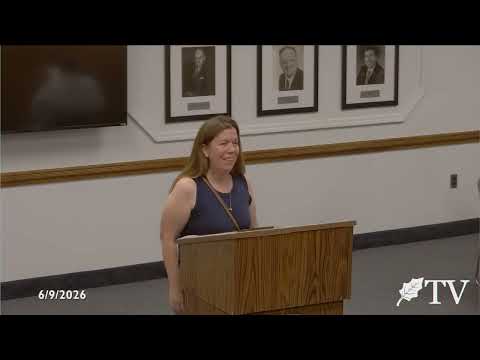
Jody Beaufredo, a resident who identified herself during public comment, told the Oakland Borough Council she volunteered at a local food pantry and reviewed the borough's June housing lottery, saying top selections did not appear to prioritize Oakland residents or people who use borough services.
"Of the families I assisted, four are Oakland families. Unfortunately, they've all ended up in the middle or lower portions of the lottery list," Beaufredo said, and she urged the council to "help ensure Oakland residents and those who work here or rely on essential services here are prioritized in future housing lotteries."
A borough staff member responded that New Jersey law requires affordable-housing lotteries to be open to all qualifying applicants and that only certain "exempted" municipalities may legally give local preference. The official said attempting to restrict eligibility or prioritize local residents without that exemption could expose the borough to civil-rights penalties and would require a state-law change.
Mayor (speaking during the meeting) agreed the issue would need a legislative solution, and council members acknowledged the difficulty of changing state statute without action from the Legislature.
Why it matters: Residents asked the council to advocate for Oakland families, citing urgent needs including medical hardship. Councilors and staff framed the problem as legal and structural: local action is constrained by state affordable-housing law, and remedies would require a legislative exemption or change.
Next step: No formal action was taken at the meeting; councilors advised residents that changing the lottery rules would require state-level legislative action and encouraged continued engagement and communication with state legislators.