Get Full Government Meeting Transcripts, Videos, & Alerts Forever!
Get email alerts on the Tax Incentives topic
No spam. Unsubscribe anytime.
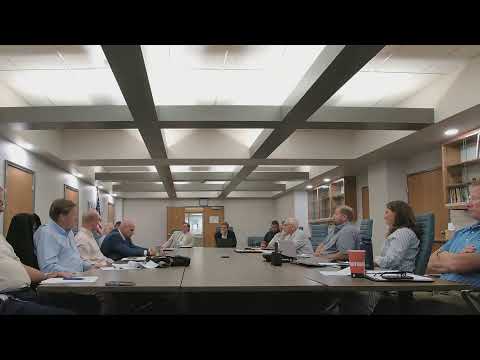
Finance committee backs 75% post‑94 CRA for Shady Grove, sends recommendation to council 3–2
Summary
The Findlay City finance committee voted 3–2 to recommend that council pursue a post‑94 CRA offering a 75% tax abatement over 15 years for the Shady Grove housing project after a discussion weighing housing supply needs against concerns about rent levels and school impacts.
The Findlay City finance committee voted to forward a recommendation to council to pursue a post‑94 community reinvestment area (CRA) for the Shady Grove housing development that would provide a 75% abatement on increased property value over 15 years.
Chair BJ Preston opened the discussion on July 7, saying he understood community concerns about offering tax breaks to new residents while current property owners continue to pay full taxes but argued the incentive is "necessary" to encourage the housing development the city needs. "I think this is a necessary evil," he said, framing the abatement as a tool to attract developers and create future tax growth.
Committee members split over trade‑offs. One member said post‑CRAs are useful but expressed discomfort with the project's scale and likely rent levels, noting the complex may be priced above median rents and that a long abatement period felt excessive. Another member asked how many new students the project would add to local schools and noted uncertainty about whether projected student counts represented new residents or transfers from nearby townships.
Staff and consultants explained qualifying rules and tradeoffs: single‑family and small multi‑family properties can qualify under pre‑94 rules but typically require significant upfront investment to generate abated value. Staff also said the developer has made the land purchase contingent on receiving incentives and that modeling income‑tax impacts is difficult because benefits depend on whether residents move into the city or commute from nearby communities.
The strategic planning committee had recommended the 75% over 15 years option; the finance committee voted to forward that recommendation to council by a 3–2 margin. The chair noted a simple majority by the finance committee is sufficient to send a recommendation to council. The item will be added to council's agenda for further consideration and final action.
What happens next: The council will receive the finance committee's recommendation and consider the CRA ordinance and any legal language, including protections and reimbursement priorities, before any final vote.