Get Full Government Meeting Transcripts, Videos, & Alerts Forever!
Get email alerts on the Affordable Housing topic
No spam. Unsubscribe anytime.
Pompton Lakes adopts zoning steps to meet state affordable‑housing rules; attorney warns of developer lawsuits
Summary
Council introduced and moved forward multiple ordinances to bring the borough’s affordable‑housing rules into compliance, including an overlay that would allow residential floors above the Montclair shopping center. Borough attorney said the changes protect the town from 'builder’s remedy' litigation if the state’s requirements are not met.
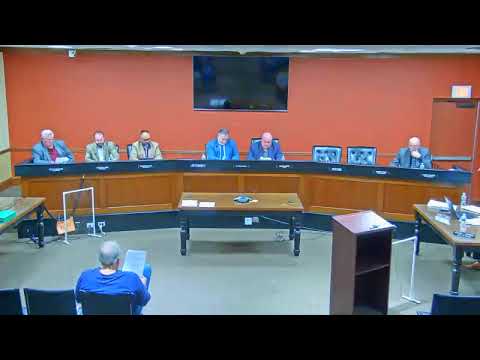
Pompton Lakes borough leaders on Feb. 25 moved to adopt zoning and ordinance amendments intended to satisfy the state’s latest affordable‑housing requirements, including designating the former A&P/Montclair shopping center as an overlay site where limited upper‑floor housing could be added.
The changes are part of the borough’s work to comply with the Department of Community Affairs’ 4th‑round rules and preserve municipal immunity from builder’s‑remedy lawsuits, borough attorney Mark Santerrero told the council. “If we don't do it, a builder could come in and sue you to build on any property,” Santerrero said, adding that the overlay gives the borough more ability to steer where denser housing could occur.
Santerrero and other staff presented numerical constraints for the overlay, saying the draft would cap the site at roughly 140 units and invoke RSIS parking standards (about 1.5 parking spaces per unit) that would require roughly 210–225 parking spaces, which the attorney said will limit actual build‑out. He described the ordinance as a zoning option — not an immediate development approval — and said any developer would still need variances and board approvals.
The council voted to introduce the zoning amendment and related ordinance updates that implement DCA model provisions for set‑asides, development fees and deed restrictions. One council member noted initial misgivings but voted for introduction after the attorney and mayor’s explanations: “My first inclination is to vote no, but through the explanation from the attorney and from the mayor, my vote is yes,” the member said.
Why it matters: Santerrero warned that failing to adopt required zoning leaves the borough exposed to litigation that could force higher‑density projects on sites or increase the borough’s obligations. The ordinances are time‑sensitive: the council was told parts of the zoning package must be in place by March 15; the broader plan covers a 10‑year compliance round.
What happens next: The ordinances were introduced and will return for final adoption at upcoming council meetings; the transcript records a final adoption on a related zoning ordinance (26‑05) with the council completing a roll call and one member recusing/abstaining because of proximity to the affected property.