Get Full Government Meeting Transcripts, Videos, & Alerts Forever!
Get email alerts on the School Lottery Transparency topic
No spam. Unsubscribe anytime.
Committee presses for clearer, fairer magnet‑school lottery; pauses ‘Theodore’ policy item
Summary
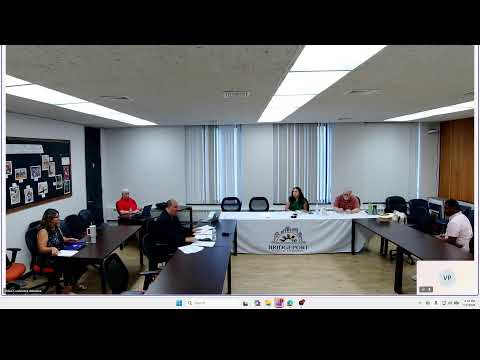
At a July 9 Bridgeport School District committee meeting, members flagged problems with waiting‑list handling, potential principal intervention in admissions, and privacy risks in the SchoolMint lottery tool; they directed staff to draft policy recommendations and tentatively scheduled another meeting for July 23.
A Bridgeport School District committee on July 9 scrutinized the district’s magnet‑school lottery process, pressing staff for clearer rules on waiting lists, stronger residency verification and greater transparency about how SchoolMint, the district’s vendor, runs admissions.
The discussion focused on special magnet programs including Discovery Magnet and Fairchild Wheeler and on whether the district’s practices are equitable for Bridgeport families. Committee member (S1) said the goal is to make sure “everybody in Bridgeport has the same opportunity and the same chance” to win magnet seats and called for an ombudsperson to monitor complaints and openings filled outside the formal lottery process.
Staff member (S3), who runs the district’s enrollment operations, explained procedural details and limits. She described the state’s interdistrict rule that effectively requires a 75% Bridgeport / 25% suburban split at some magnets and said that schools that miss that threshold must file action plans; she also noted the state once granted a COVID‑era waiver allowing “200 plus Bridgeport students into Fairchild Wheeler.”
The committee pressed staff on several practical issues: parents must reapply to the lottery every year because the district does not carry waiting lists forward; verification of residency relies on a third‑party service but lacks funded field follow‑up; and, staff said, a change from a public “live” lottery to staff‑run draws occurred after student data appeared in the public output. “So there is no lottery waiting list,” S3 said, adding that the office disbands prior‑year lists and starts a new one each cycle.
Members raised repeated allegations—based on parent reports and committee experience—that some openings are being handled informally at the school level rather than strictly by the waiting‑list order. Committee member (S1) recounted a case he described as political filling of vacancies and argued that principals appear to be using “personal latitude” to add families without following the established waiting‑list sequence. Staff acknowledged gaps in school‑level oversight and said schools retain certain post‑lottery responsibilities, such as managing waiting lists and contacting families.
The committee and staff discussed possible reforms: clearer public guidance for parents, a recorded anonymized demonstration of the lottery process, an open‑house magnet showcase, limiting the number of staff with live access to lottery controls, an ombudsperson to handle disputes and clearer monitoring reports (for example, anonymized waiting‑list position numbers rather than student names). Chair (S4) proposed producing short explanatory videos on the system and using dummy data in demonstrations so that parents can see the mechanics without exposing student information.
The committee also handled a short procedural motion. Chair (S4) moved to “disable lottery policy for Theodore” and a committee member seconded; the chair called a voice vote and two members answered “Aye.” The committee agreed to draft policy recommendations and to refer any formal proposals to the district’s policy committee and then to the full board for consideration at its August meeting.
Next steps: staff and committee members will review sibling and lottery wording in current policy documents, prepare suggested changes, and reconvene—tentatively at 3 p.m. on July 23—to continue work on transparency, waiting‑list rules and enforcement mechanisms.
Why it matters: The committee’s work could change how seats are filled at magnet schools that many parents view as higher performing. That has budget and equity implications because interdistrict funding is tied to program status and because current practices affect which Bridgeport families access those seats.